
90-Day Java Full Stack Developer Roadmap: Your Journey from Zero to Job-Ready
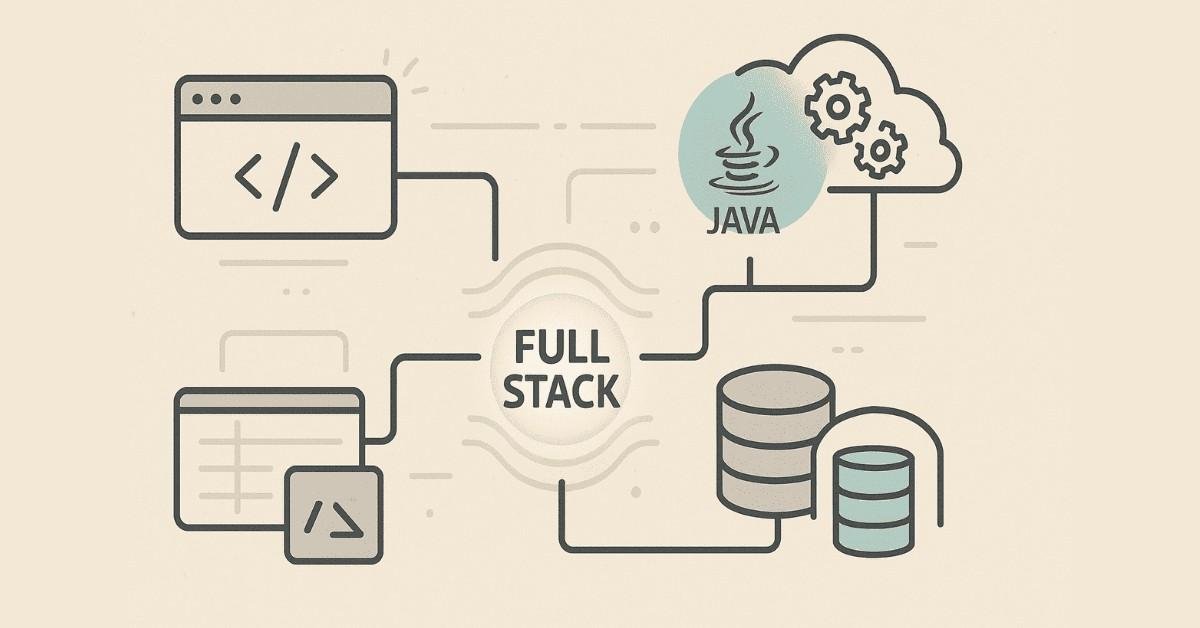
Landing a well-paying tech job without coding experience seems impossible, right? Not anymore. This comprehensive 90-day roadmap breaks down everything you need to become a job-ready Java Full Stack Developer, even if you’ve never written a single line of code before.
Whether you’re a fresh graduate, a working professional looking to switch careers, or someone who tried learning coding on your own but got stuck, this roadmap is designed specifically for you. By following this day-by-day plan, you’ll build real-world projects, master in-demand technologies, and prepare yourself for interviews at top companies like Infosys, TCS, Accenture, Wipro, and Cognizant.
💡 New to Java?
Begin with our beginner-friendly Java programming How-to Guides.
1. Why Java Full Stack Development in 2025?
Java Full Stack Developers are among the most sought-after professionals in the tech industry, with average salaries ranging from ₹5-7 LPA for freshers and significantly higher for experienced developers. Cities like Bangalore, Hyderabad, Pune, Mumbai, and Chennai are actively hiring Java developers across sectors including fintech, healthcare, e-commerce, and artificial intelligence.
The role combines frontend development (what users see) with backend development (how systems work behind the scenes), making you a complete developer who can build entire applications independently. This versatility gives you job security, higher salaries, and faster career growth compared to developers who specialize in only one area.
2. Building Your Foundation (Days 1-30)
📘 Download Java basics notes, coding exercises & starter practice sheets.
The first month focuses on establishing strong programming fundamentals with Core Java, understanding how computers think, and getting comfortable with coding logic.
Week 1: Java Basics & Environment Setup (Days 1-7)
Day 1-2: Understanding the Programming World
Start by understanding what programming actually means and why Java is used by millions of developers worldwide. Set up your development environment by installing JDK (Java Development Kit), Eclipse IDE, and writing your very first “Hello World” program. Learn about JVM (Java Virtual Machine), JRE (Java Runtime Environment), and how Java code actually runs on your computer.
Day 3-4: Variables, Data Types & Operators
Discover how computers store information using variables and different data types like integers, strings, and booleans. Practice with data types, understand naming conventions that professional developers follow, and work with operators to perform calculations. Complete 10-15 simple coding exercises to build muscle memory.
Day 5-7: Control Statements & Loops
Learn how to make your programs intelligent using if-else statements, switch cases, and conditional operators. Master loops (for, while, do-while) that help you repeat tasks efficiently. Practice problems include building a simple calculator, creating number patterns, and writing programs that make decisions based on user input.
Daily Practice: Spend 30 minutes solving coding problems on platforms like HackerRank or LeetCode to strengthen your logical thinking.
Week 2: Object-Oriented Programming Fundamentals (Days 8-14)
Day 8-9: Classes, Objects & Methods
Transition from basic programming to object-oriented thinking by understanding classes (blueprints) and objects (actual things created from blueprints). Learn about constructors, method creation, and how real-world entities are modeled in code. Create your first class representing a Student or Employee with properties and behaviors.
Day 10-11: The Four Pillars of OOP
Master encapsulation (data hiding), inheritance (code reusability), polymorphism (one interface, multiple implementations), and abstraction (hiding complexity). These concepts are crucial for writing professional, maintainable code and are frequently asked in interviews.
Day 12-13: Access Modifiers & Static Keyword
Understand public, private, protected, and default access levels that control who can access your code. Learn about static variables and methods that belong to the class rather than individual objects. Practice with real-world scenarios like creating a Bank Account system with proper encapsulation.
Day 14: Interfaces & Abstract Classes
Discover how interfaces define contracts that classes must follow and when to use abstract classes versus interfaces. Complete a mini-project creating a payment system that works with multiple payment methods (Credit Card, UPI, Net Banking).
Weekly Project: Build a Library Management System console application that demonstrates all OOP concepts learned this week.
Week 3: Advanced Java Concepts (Days 15-21)
Day 15-16: Exception Handling
Learn how to handle errors gracefully using try-catch-finally blocks, understand checked vs unchecked exceptions, and create custom exceptions for specific scenarios. Practice with file operations and user input validation where exceptions commonly occur.
Day 17-18: Collections Framework
Master ArrayList, LinkedList, HashSet, TreeSet, HashMap, and TreeMap – the data structures professional developers use daily. Understand when to use each collection type based on performance requirements and learn about the Comparable and Comparator interfaces for sorting.
Day 19-20: Multithreading Basics
Understand what threads are, how to create them using Runnable interface and Thread class, and why synchronization is important in multi-user applications. Practice with real-world examples like downloading multiple files simultaneously.
Day 21: Java 8 Features Introduction
Get introduced to modern Java features including Lambda Expressions, Functional Interfaces, and the Stream API that makes data processing incredibly efficient. Learn forEach loops and Optional classes that prevent null pointer exceptions.
Mini Project: Create a Student Management System using Collections, Exception Handling, and Java 8 Streams to filter and sort student records.
Week 4: File Handling & Advanced Topics (Days 22-30)
Day 22-24: File Operations
Learn how to read from and write to files, work with different file types, and handle file-related exceptions. Practice creating programs that save user data permanently and retrieve it when needed – essential for real-world applications.
Day 25-27: String Manipulation & Wrapper Classes
Master String methods, understand StringBuilder vs StringBuffer for efficient string operations, and learn about wrapper classes that convert types to objects. Complete exercises on string reversal, palindrome checking, and pattern matching.
Day 28-30: Practice & First Major Project
Consolidate everything learned this month by building a Banking Application with account creation, deposits, withdrawals, transaction history stored in files, exception handling for invalid operations, and menu-driven interface.
Month 1 Achievement: By day 30, you’ll have written over 500 lines of code, completed 3 projects, and built a solid foundation in Core Java programming.el
🎓 Become job-ready with real Java projects — join our Java Full Stack Mastery Course.
3. Databases, Backend Frameworks & Web Development (Days 31-60)
🧩 Practice SQL queries & MongoDB CRUD operations with our interview-focused question bank.
Month 2 transforms you from a Java programmer into a backend developer who can build database-driven web applications.
Week 5: Database Mastery (Days 31-37)
Day 31-33: SQL & MySQL Fundamentals
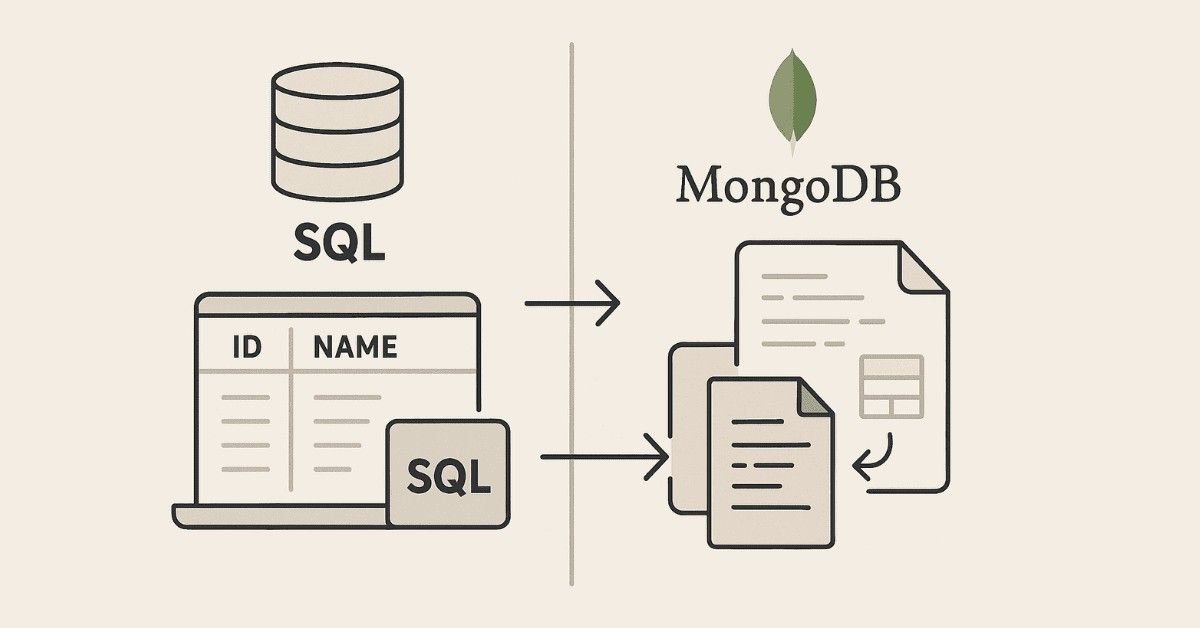
Set up MySQL database and learn RDBMS concepts, DDL commands (CREATE, ALTER, DROP), DML commands (INSERT, UPDATE, DELETE), and DQL commands (SELECT with WHERE, ORDER BY). Practice creating database schemas for real business scenarios like an e-commerce store.
Day 34-35: Advanced SQL Queries
Master aggregate functions (COUNT, SUM, AVG, MIN, MAX), GROUP BY clauses, and all types of JOINS (INNER, LEFT, RIGHT, FULL). Learn about constraints (PRIMARY KEY, FOREIGN KEY, UNIQUE, NOT NULL) that maintain data integrity in databases.
Day 36-37: NoSQL with MongoDB
Understand when to use NoSQL over SQL, set up MongoDB, and learn document-based data storage with CRUD operations on collections. Practice storing flexible, unstructured data like user preferences and product catalogs.
Weekly Project: Design and implement a complete database schema for an Online Food Ordering System with tables for customers, restaurants, menu items, orders, and delivery tracking.
Week 6: JDBC, Hibernate & ORM (Days 38-44)
Day 38-40: JDBC (Java Database Connectivity)
Connect Java applications to databases using JDBC drivers, execute SQL queries from Java code using Statement and PreparedStatement, and process results using ResultSet. Build a fully functional CRUD application that performs Create, Read, Update, and Delete operations.
Day 41-43: Hibernate Framework
Transition from manual JDBC to Hibernate ORM (Object-Relational Mapping) that automatically converts Java objects to database tables. Learn about Session, SessionFactory, configuration files, entity mapping with annotations, and transaction management.
Day 44: Hibernate Relationships
Master One-to-One, One-to-Many, Many-to-One, and Many-to-Many mappings with practical examples like User-Profile, Author-Books, and Student-Courses relationships. Understand Eager vs Lazy loading strategies for optimizing database queries.
Major Project: Build a Gated Community Complaint Tracker that stores residents, complaints, categories, and status updates using Hibernate with proper relationship mappings.
Week 7: Spring Framework Deep Dive (Days 45-51)
Day 45-46: Spring Core Concepts
Understand what frameworks are and why Spring is the most popular Java framework worldwide. Learn about IoC (Inversion of Control), Dependency Injection, Spring Beans, Bean Scopes (Singleton, Prototype), and Bean Lifecycle. Configure beans using XML, Java-based configuration, and annotations.
Day 47-48: Spring JDBC & Spring ORM
Use Spring’s JdbcTemplate and HibernateTemplate to reduce boilerplate code dramatically. Practice CRUD operations with these templates and understand how Spring simplifies database operations compared to raw JDBC or Hibernate.
Day 49-50: Spring MVC Architecture
Learn Model-View-Controller architecture, understand DispatcherServlet, create controllers with @Controller and @RequestMapping, work with Model and View components, and build dynamic web pages using JSPs.
Day 51: Spring AOP (Aspect-Oriented Programming)
Implement cross-cutting concerns like logging, security, and transaction management using Spring AOP with Join Points, Point Cuts, Advice, and Aspects. Add automatic logging to all methods without modifying existing code.
Weekly Project: Create a complete Employee Management Web Application using Spring MVC with add, edit, delete, and view employee functionality.
Week 8: Spring Boot Mastery (Days 52-60)
Day 52-53: Spring Boot Fundamentals
Discover Spring Boot’s magic with auto-configuration, embedded servers (no need for Tomcat installation), and Spring Boot Starters that bundle dependencies automatically. Create your first Spring Boot REST API in under 30 minutes – something that took hours with traditional Spring.
Day 54-55: Building REST APIs
Master RESTful principles, use @RestController for JSON responses, handle GET, POST, PUT, DELETE HTTP methods, manage status codes with ResponseEntity, and test APIs using Postman. Learn about request/response bodies, path variables, and query parameters.
Day 56-57: Spring Data JPA
Simplify database operations with Spring Data JPA repositories that auto-generate CRUD methods, write custom finder methods using naming conventions, and create complex queries with JPQL (Java Persistence Query Language).
Day 58-59: Exception Handling & Security Basics
Implement global exception handling using @RestControllerAdvice and @ExceptionHandler for clean error responses. Get introduced to Spring Security for authentication and authorization in REST APIs.
Day 60: Capstone Backend Project
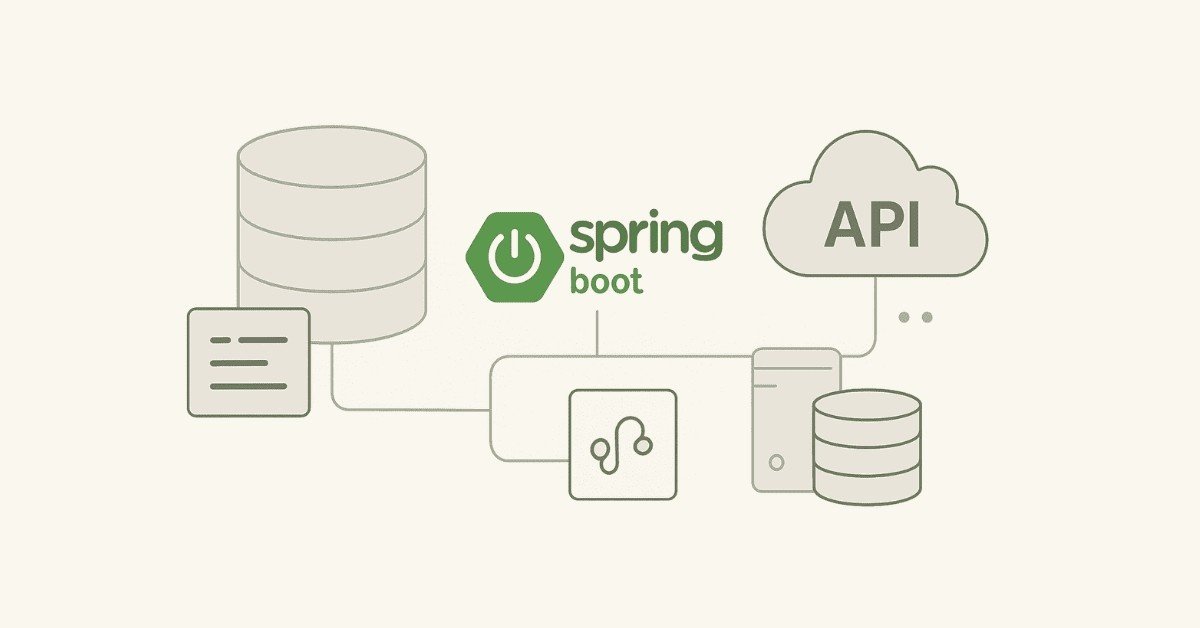
Build a complete Personal Finance Management System (PFMS) backend with user registration, expense tracking, budget management, category-wise reports, and JWT authentication. This project demonstrates enterprise-level backend development skills.
Month 2 Achievement: You’ve transformed into a backend developer capable of building production-ready REST APIs with database integration, security, and proper architecture.
4. Frontend Development, Modern Tools & Career Preparation (Days 61-90)
🎯 Become a backend expert — join the Fast-Track Java Backend Program.
The final month focuses on mastering frontend technologies, learning cutting-edge tools like Spring AI and Microservices, and preparing yourself completely for job applications and interviews.
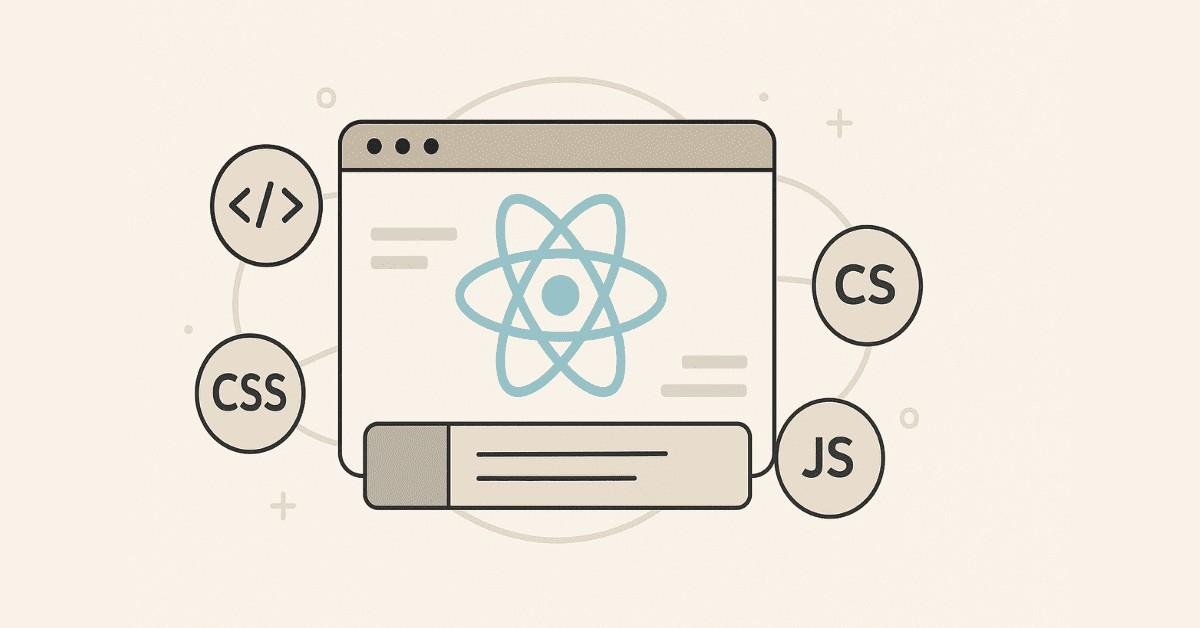
Week 9: Frontend Foundation – HTML, CSS & JavaScript (Days 61-67)
Day 61-62: HTML & Web Fundamentals
Understand how the internet actually works, client-server architecture, HTTP request-response cycles, and the difference between frontend and backend. Learn HTML structure, semantic tags (header, nav, section, article, footer), forms, input types, and create your first webpage with proper structure.
Day 63-64: CSS Styling & Responsive Design
Master CSS selectors, the box model (margin, padding, border), display properties, flexbox for layouts, and positioning elements. Learn responsive design with media queries, mobile-first approach, and use Bootstrap for rapid UI development with pre-built components like navbars, cards, buttons, and forms.
Day 65-67: JavaScript Fundamentals
Learn JavaScript basics including variables (let, const, var), data types, operators, loops, functions, arrays, and objects. Master DOM manipulation by selecting elements, changing styles, handling events (click, scroll, keypress), and creating interactive features like form validation and dynamic content updates.
Mini Project: Build a Personal Portfolio Website with sections for About, Skills, Projects, and Contact using HTML, CSS, and JavaScript with smooth scrolling and interactive elements.
Week 10: Advanced JavaScript & React Mastery (Days 68-74)
Day 68-69: Object-Oriented JavaScript & Asynchronous Programming
Learn classes in JavaScript, prototypal inheritance, and the four pillars of OOP applied to JavaScript. Master asynchronous concepts including callbacks, Promises, async/await, and fetch API for making HTTP requests to backend services.
Day 70-71: React Fundamentals
Set up React development environment with Node.js and npm, understand component-based architecture, JSX syntax, and create functional components. Learn about props for passing data between components, useState hook for managing component state, and conditional rendering for dynamic UIs.
Day 72-73: React Hooks & Routing
Master useEffect hook for side effects and API calls, useContext for state management across components, and React Router for building single-page applications with multiple pages. Understand how to pass parameters through routes and navigate programmatically.
Day 74: Connecting React with Spring Boot APIs
Learn how to make API calls from React using fetch or Axios, handle loading states, display data in components, and manage form submissions that send data to your Spring Boot backend. Understand CORS configuration and authentication token handling in frontend applications.
Full Stack Project: Build a Weather Application with React frontend fetching data from a Spring Boot backend that integrates with external weather APIs.
💡 Learn microservices architecture step-by-step with our detailed How-to Guides.
Week 11: Advanced Backend Technologies (Days 75-81)
Day 75-76: Spring AI Integration
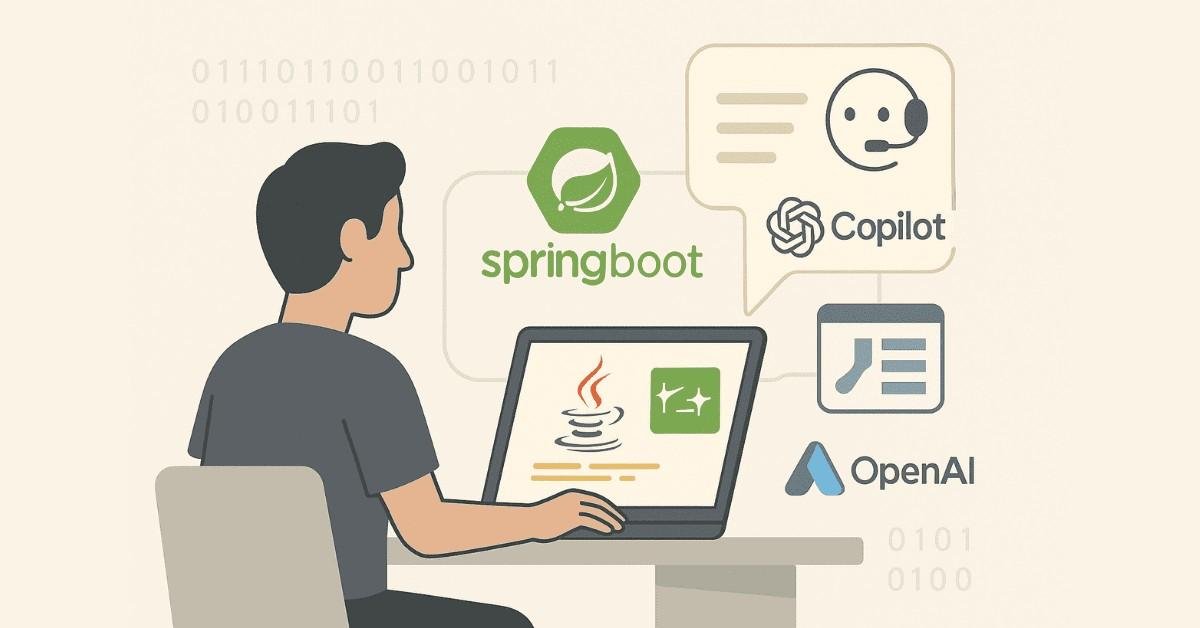
Explore the cutting-edge Spring AI module for integrating artificial intelligence capabilities into your applications. Learn about Language Learning Models (LLMs), implement chatbots using OpenAI API, use prompt templates for consistent responses, and even generate images using DALL·E integration. This emerging skill sets you apart from other candidates.
Day 77-78: Unit Testing with JUnit & Mockito
Understand why testing is crucial in professional development environments, write unit tests using JUnit annotations (@Test, @BeforeEach, @AfterEach), use assertions to verify expected behavior, and mock database operations using Mockito. Practice test-driven development (TDD) approach where you write tests before implementation code.
Day 79-80: Introduction to Microservices Architecture
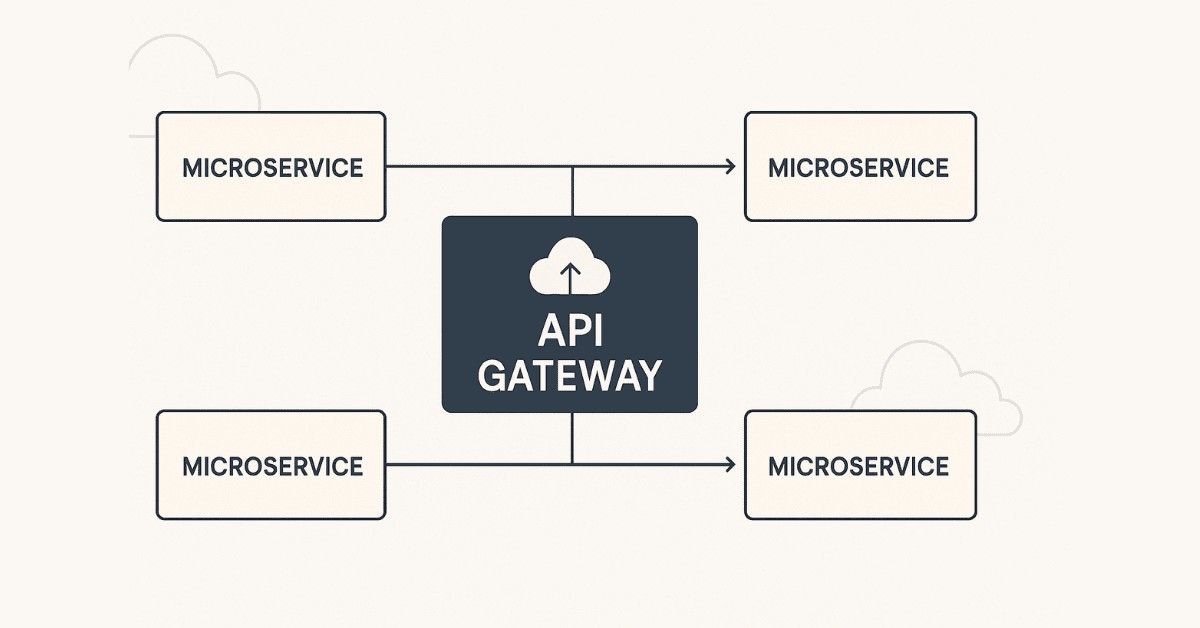
Move beyond monolithic applications to understand microservices – small, independent services that work together. Learn about Service Discovery with Eureka Server for locating services dynamically, inter-service communication using RestTemplate and Feign Client, and Config Server for centralized configuration management.
Day 81: API Gateway & Circuit Breaker Patterns
Implement API Gateway as a single entry point for all microservices, understand routing requests to appropriate services, and add Circuit Breaker pattern using Resilience4j to handle service failures gracefully with fallback methods. These patterns are essential for building resilient, scalable enterprise applications.
Advanced Project: Create a Microservices-Based E-commerce System with separate services for users, products, orders, and payments communicating through an API Gateway.
📄 Download GitHub README templates & portfolio checklists.
Week 12: Version Control, Projects & Career Preparation (Days 82-90)
Day 82-83: Git & GitHub Mastery
Set up Git on your system, understand version control concepts, learn essential Git commands (init, add, commit, push, pull), create and manage branches for feature development, resolve merge conflicts, and create pull requests for collaborative development. Build a strong GitHub profile with well-documented repositories.
Day 84-86: Major Capstone Projects
Complete at least two major full-stack projects from the syllabus that demonstrate your complete skillset:
MedSync – AI-Powered Hospital Management System: Patient registration, appointment scheduling, doctor management, prescription handling, billing system, and AI-powered symptom checker using Spring AI. Frontend built with React, backend with Spring Boot and Spring Data JPA, deployed with proper authentication.
SmartBank Management System: Account creation, fund transfers, transaction history, loan management, fixed deposits, and admin dashboard. Implements Spring Security with JWT authentication, role-based access control, and comprehensive exception handling.
Day 87-88: Resume Building & LinkedIn Optimization
Transform your resume into an ATS-friendly document that passes applicant tracking systems used by recruiters. Highlight your projects with quantifiable achievements (e.g., “Built RESTful API handling 1000+ daily requests”), list technologies in skills section, and add GitHub links to live projects.
Optimize your LinkedIn profile with a professional headline like “Java Full Stack Developer | Spring Boot | React | Seeking Opportunities,” write a compelling About section showcasing your transformation journey, add all completed projects with descriptions and technology stack, request recommendations from instructors or peers, and engage with tech content daily.
Day 89-90: Interview Preparation Basics
Review core Java concepts, Spring Boot architecture, REST API principles, database normalization, and project architecture decisions. Practice explaining your projects using the STAR method (Situation, Task, Action, Result), prepare answers for common behavioral questions, and review technical concepts from your weakest areas.
5. Profile Optimization : Making Yourself Irresistible to Recruiters
Your technical skills are only half the battle – how you present yourself online determines whether recruiters even notice you among thousands of candidates.
GitHub Profile Optimization
Create a professional README profile showcasing your skills, current learning goals, and featured projects pinned to the top. Maintain consistent commit history by pushing code regularly (even small updates) to show active learning. Organize repositories with clear names, comprehensive README files explaining what the project does, technologies used, features implemented, and how to run it locally. Add live demo links using free hosting platforms like Render, Railway, or Vercel so recruiters can actually test your applications without downloading code.
Use meaningful commit messages that explain what changed and why, add topics/tags to repositories for better discoverability, and contribute to open-source projects to demonstrate collaboration skills. Your GitHub is your technical resume – treat it professionally.

LinkedIn Profile Power-Up
Your LinkedIn headline appears in every search result, so make it count with keywords recruiters search for: “Java Full Stack Developer | Spring Boot | React | MySQL | Seeking Opportunities in Bangalore” . Write an About section in first person that tells your story – where you started, why you chose development, what you’ve built, and what you’re looking for .
Add detailed experience sections for each project with bullet points describing responsibilities and achievements. Use the Featured section to showcase your best projects with thumbnails and links. Request recommendations from course instructors, project teammates, or anyone who can vouch for your work ethic and skills.
Join relevant groups like Java Developers India, Spring Framework Community, and React Developers, engage with posts by commenting thoughtfully, share your learning journey weekly, and connect with developers at companies you admire. Consistent visibility increases your chances of being contacted by recruiters.
👉 Get LinkedIn Optimization Checklist – Step-by-step guide to transform your LinkedIn profile into a recruiter magnet with examples and templates.
📘 Track your applications with our Job Search Tracker (Free Template).
Job Platforms: Where to Find Your Dream Job
Knowing where to look dramatically reduces your job search time and increases quality opportunities.
Top Job Portals for Java Full Stack Developers
Naukri.com remains the largest job portal in India with thousands of Java Full Stack Developer openings daily, especially in tier-1 cities. Upload your resume, enable job alerts for “Java Full Stack Developer Fresher,” and apply to 10-15 relevant jobs daily. Companies like TCS, Infosys, Wipro, and Accenture actively recruit through Naukri.
LinkedIn Jobs offers direct applications and lets you see connections at target companies who can refer you internally – employee referrals increase interview chances by 400%. Filter by experience level (entry-level), location preferences, and company size. Follow company pages you’re interested in to see job postings immediately.
AngelList (Wellfound) specializes in startup jobs where you can grow faster and learn more compared to large corporations. Startups often value practical skills over degrees, making them perfect for career switchers. Apply to early-stage and growth-stage startups in fintech, edtech, and healthtech sectors hiring Java developers.
Instahyre and Cutshort offer curated job opportunities where your profile is reviewed before being shown to companies, reducing spam applications. These platforms focus on quality over quantity with direct communication channels to hiring managers.
Company Career Pages
Bookmark career pages of dream companies like Infosys, TCS, Accenture, Capgemini, Wipro, Cognizant, IBM, and KPMG. These companies hire hundreds of Java developers annually through their dedicated freshers programs like Infosys InStep, TCS Digital, and Wipro Elite. Apply directly through their portals during hiring drives announced on their websites.
Referral Networks
Connect with Frontlines Edutech alumni working at target companies and request referrals. Join Java developer communities on Discord, Slack, and Telegram where job opportunities are shared. Attend virtual tech meetups and webinars to network with working professionals. A warm referral beats cold applications every single time.
👉 Access Job Application Tracker Template – Excel template to organize applications, track follow-ups, and optimize your job search strategy.
🧠 Ace your interviews!
Access 200+ Java Full Stack interview questions with answers.
6. Interview Preparation: Ace Every Round with Confidence
Round 1: Technical Screening (30-45 minutes)
Expect questions on Core Java fundamentals like OOP principles, exception handling, collections framework, multithreading basics, and Java 8 features. Be ready to explain your projects in detail – interviewers will ask about technology choices, challenges faced, how you solved them, and what you learned.
Common questions include: “Explain the difference between ArrayList and LinkedList,” “What is dependency injection and why is it useful?”, “How does Spring Boot auto-configuration work?”, “Explain REST API principles and HTTP status codes,” and “What are the main differences between SQL and NoSQL databases?”.
Round 2: Coding Assessment (60-90 minutes)
You’ll solve 2-3 coding problems testing data structures, algorithms, and problem-solving ability. Topics include array manipulation, string problems, searching and sorting algorithms, basic recursion, and hashmap usage. Practice on HackerRank, LeetCode Easy problems, and GeeksforGeeks to build confidence.
Live coding rounds test your thought process more than perfect solutions. Think aloud, explain your approach before coding, start with brute force solutions then optimize, write clean code with proper variable names, and test your code with sample inputs before submitting.
Round 3: System Design & Architecture (45-60 minutes)
For Java Full Stack roles, expect simplified system design questions like “Design a URL shortener,” “Design a basic e-commerce checkout system,” or “Explain your MedSync project architecture”. Demonstrate understanding of frontend-backend separation, database schema design, API endpoint structure, authentication flow, and scalability considerations.
Discuss trade-offs between different approaches, mention caching for frequently accessed data, explain how you’d handle concurrent users, and show awareness of security best practices like input validation and password encryption.
Round 4: Behavioral & HR Interview (30-45 minutes)
This round assesses cultural fit, communication skills, and attitude toward learning. Prepare stories demonstrating teamwork, handling feedback, overcoming challenges, and managing deadlines using the STAR format.
Common questions include: “Why did you choose Java Full Stack development?”, “Tell me about a challenging project and how you solved problems,” “How do you stay updated with new technologies?”, “Where do you see yourself in 3 years?”, and “Why do you want to join our company?”.
Research the company beforehand, prepare 2-3 thoughtful questions about their tech stack, team structure, or growth opportunities, and express genuine enthusiasm for the role.
👉 Get Complete Interview Preparation Guide – 200+ Java Full Stack interview questions with detailed explanations, project discussion frameworks, and salary negotiation tips.
Real-World Projects That Impress Employers
The Frontlines Edutech Java Full Stack course includes 14 hands-on projects designed to build your portfolio and demonstrate industry-ready skills.
Major Projects (Resume Highlights)
MedSync – AI-Powered Hospital Management System showcases your full-stack capabilities with patient management, appointment scheduling, doctor profiles, prescription generation, billing modules, and AI-powered symptom analysis using Spring AI. Technologies used include Spring Boot REST APIs, Spring Data JPA with MySQL, Spring Security with JWT authentication, React frontend with hooks and routing, and OpenAI integration for intelligent features.
StayEase – Accommodation Management System demonstrates real-world business logic with room booking, availability management, customer profiles, payment processing, booking history, and admin dashboard for managing properties. Implements complex database relationships (one-to-many, many-to-many), transaction management for bookings, and responsive UI design.
Smart Bank Management System proves your understanding of secure, transactional applications with account creation, fund transfers with validation, transaction history tracking, loan applications, fixed deposit calculations, and role-based access for customers and administrators. Features Spring Security, ACID transaction properties, and comprehensive exception handling.
Personal Finance Management System (PFMS) showcases data analytics and visualization skills with expense tracking by category, budget planning and alerts, income vs expense reports, monthly financial summaries, and exportable reports. Integrates chart libraries for data visualization and demonstrates CRUD operations mastery.
Mini Projects (Skill Demonstrations)
Seven mini-projects including Music Player Application, Online Food Ordering System, Gated Community Complaint Tracker, AI-Based Resume Screening System, WeatherNow Application, Personal Portfolio Website, and Product Showcase Carousel let you practice specific concepts in isolation before combining them in major projects.
👉 View All Project Demos – Watch video demonstrations of completed projects and download project requirement documents to understand scope before building.
What Makes Frontlines Edutech Different?
Choosing the right training partner determines your success rate in landing jobs – here’s why 3,000+ students trust Frontlines Edutech for their career transformation.
Industry-Expert Mentorship
Learn from working professionals at top companies who bring real-world experience into every session. Our instructors don’t just teach theory – they share production challenges, debugging strategies, and best practices learned from years of building enterprise applications. Get personalized feedback on your code, project guidance, and career advice from mentors who’ve been exactly where you are now.
Hands-On Project-Based Learning
Forget boring lectures – 70% of our course time involves writing actual code, building projects, and solving problems. You’ll complete 14 real-world projects that become your portfolio, participate in daily assignments reinforcing each concept, work on group projects developing collaboration skills, and build confidence through consistent practice.
Comprehensive Career Support
Your journey doesn’t end when the course ends – our placement support includes resume building workshops with ATS optimization, LinkedIn profile makeovers by professionals, mock interview sessions with feedback, access to exclusive job openings from partner companies, and lifetime access to course materials and community. We’re committed to your success until you land your first role.
Flexible Learning Environment
Balance learning with work or college through live interactive sessions with Q&A opportunities, recorded lectures for revision anytime, weekend batches for working professionals, dedicated doubt-clearing sessions, and WhatsApp community support for peer learning. Learn at your own pace without compromising quality.
Affordable Investment in Your Future
Quality education shouldn’t be expensive – our course fee is structured to be accessible for students and freshers, with flexible EMI options available, scholarship programs for deserving candidates, and 100% refund if you’re not satisfied after first week (terms apply). Compare our comprehensive curriculum with other institutes charging 2-3x more for similar content.
Proven Track Record
Join thousands of successful alumni now working at companies like Infosys, TCS, Accenture, Wipro, Cognizant, IBM, Capgemini, and startups across India. Our students report 80% placement rate within 6 months of course completion, average starting package of ₹4.5-6 LPA, and consistent positive feedback about course quality and mentorship.
Frequently Asked Questions
Q: Do I need prior programming experience to join this course?
Absolutely not. This course is designed for complete beginners with zero coding background. We start from scratch with programming fundamentals and gradually progress to advanced concepts. Special attention is given to non-IT students who need extra support.
Q: Can I complete this course while working or studying?
Yes. We offer flexible batch timings including weekends and evening slots specifically for working professionals and college students. Recorded sessions let you learn at your own pace if you miss any live class.
Q: Will I get placement assistance after completing the course?
Absolutely. Our placement support includes resume building, LinkedIn optimization, mock interviews, and sharing job opportunities from our network of 200+ partner companies. We continue supporting you until you land your first job.
Q: What is the average salary I can expect after this course?
Freshers typically start at ₹4-7 LPA depending on company, location, and interview performance. With 1-2 years experience, salaries quickly jump to ₹8-12 LPA range. Your project portfolio and interview preparation significantly impact your starting package.
Q: How long does it take to complete all projects?
The course is structured for 90 days with 3-4 hours daily commitment. You’ll complete 7 mini projects during learning and 7 major projects by course end. Students dedicating more time can finish faster, while working professionals may take 120 days completing weekend batches.
Q: Do you provide course completion certificates?
Yes, you’ll receive a course completion certificate after successfully completing all modules and projects. This certificate can be added to your LinkedIn profile and resume.
Q: What if I don’t understand something during the course?
We have multiple support systems – daily doubt-clearing sessions during class, dedicated Q&A sessions twice weekly, WhatsApp community where instructors and peers help 24/7, and one-on-one mentor calls if you need personalized attention.
Q: Are course materials available after completion?
Yes, you get lifetime access to all course materials including recorded lectures, code repositories, project templates, and community access. You can revisit any topic anytime even after landing your job.
7. Your Next Steps
Every expert developer was once a beginner staring at a blank screen, unsure where to start. The difference between those who succeed and those who don’t isn’t talent – it’s taking that first step and committing to consistent learning.
This 90-day roadmap transforms you from someone who doesn’t know coding to a job-ready Java Full Stack Developer with a portfolio of 14 projects, in-demand technical skills, and the confidence to crack interviews at top companies.
Why Wait? Enroll Today and Secure Your Tech Career
Technology careers offer job security, high salaries, work-from-home flexibility, global opportunities, and continuous learning – benefits few other fields provide. The Indian IT industry is growing 15% annually with over 200,000 new positions created each year, and Java Full Stack Developers remain in the top 5 most demanded roles.
Every day you delay is a day someone else takes the job opportunity that could have been yours. The tech industry doesn’t wait – companies are hiring right now, and with proper training, you could be interviewing in just 3 months.
What You Get When You Enroll at Frontlines Edutech
✅ 90-day comprehensive curriculum covering Java, Spring Boot, React, databases, and deployment
✅ 14 real-world projects for your portfolio including AI-powered applications
✅ Live interactive sessions with industry experts
✅ Daily assignments and hands-on coding practice
✅ Resume building and LinkedIn profile optimization
✅ Interview preparation with 200+ questions and mock interviews
✅ Placement assistance with partner companies
✅ Lifetime access to course materials and community
✅ Course completion certificate
✅ Flexible batch timings for students and working professionals
Limited seats available for current batch. Join 3,000+ successful students who transformed their careers with Frontlines Edutech.
Take Action Now
📞 Call us at: +91-83330 77727
📧 Email: media.frontlines@gmail.com
🌐 Visit: www.frontlinesedutech.com
Connect with our admissions team today for course details, batch schedules, fee structure, and scholarship opportunities. Book a free counseling session to discuss your career goals and how this course aligns with your aspirations.
Follow us on social media for daily coding tips, student success stories, and industry insights:
📱 Facebook: Frontlines Media
📱 Instagram: Frontlines Edutech
📱 LinkedIn: Frontlines Edutech
📱 YouTube: Frontlines Media
Your dream tech career is just 90 days away. Don’t let fear or doubt hold you back – thousands before you started with zero experience and now earn lakhs annually doing work they love. You can be next.
Enroll today and start your transformation journey with Frontlines Edutech – Building Trust & Careers since day one.
Disclaimer: Course outcomes depend on individual effort, consistency, and practice. While we provide comprehensive training and placement support, securing a job depends on multiple factors including market conditions, candidate performance in interviews, and company hiring needs. Past results of successful students are not guaranteed for future enrollments.