
How to Become a MERN Stack Developer in 2026: Complete Career Guide
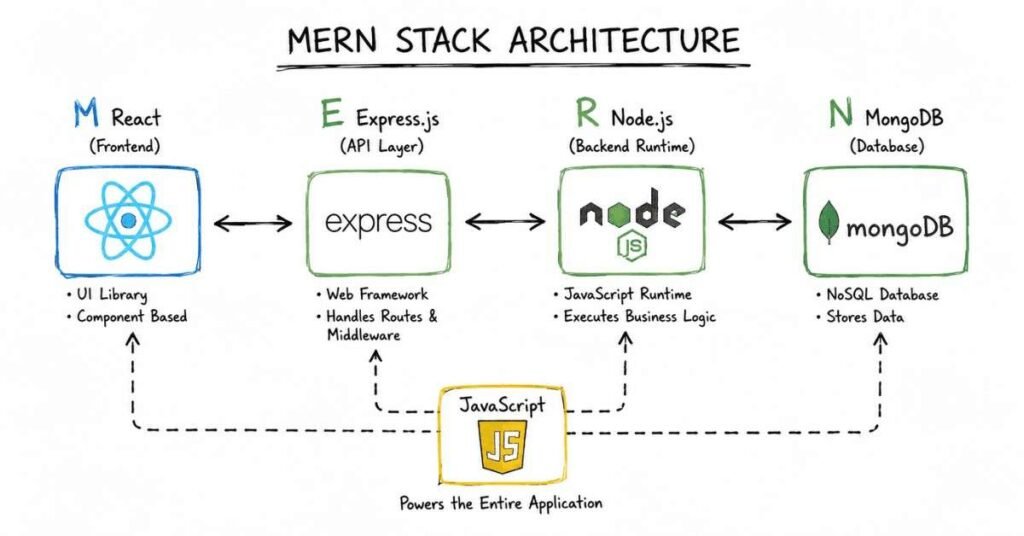
Table of Contents
MERN Stack Development is one of India’s most in-demand full-stack skills in 2026 with salaries ranging from ₹4.3 LPA for freshers to ₹35 LPA for senior engineers. MERN stands for MongoDB, Express.js, React.js, and Node.js four JavaScript-based technologies that together let you build complete web applications. The biggest advantage? You learn one language JavaScript that runs everywhere in your app. This guide covers exactly what MERN is, a month-by-month learning roadmap, the tools you need, portfolio-building strategies, salary expectations by city, and how to crack MERN Stack interviews in India’s job market.
What is MERN Stack? (The 60-Second Explanation)
MERN Stack is a collection of four JavaScript technologies used to build end-to-end web applications:
When a user clicks something on your app, React captures that action → sends it to Express via HTTP → Express talks to MongoDB → MongoDB returns data → Express sends it back → React updates the screen. This entire cycle happens in milliseconds.
The reason MERN is so popular in India: one language, full application. No context-switching between Python for backend and JavaScript for frontend. Your entire codebase is JavaScript.
Visit MERN Stack Frontlines Edutech →
Why Choose MERN Stack in 2026?
1. Massive Hiring Demand Across Industries
Over 1,469 Companies were posted MERN Stack positions on Naukri alone in 2025, and 75% of companies now prefer full-stack developers over separate frontend/backend hires. Companies actively hiring MERN developers include:
- E-commerce: Flipkart, Myntra, Meesho, Nykaa
- FinTech: Paytm, PhonePe, Razorpay, Zerodha
- EdTech: Byju’s, Unacademy, Vedantu, upGrad
- IT Services: TCS, Infosys, Wipro, Freshworks, Zoho
2. One Language Rules Everything
Traditional full-stack developers need Python/Java for backend + JavaScript for frontend. MERN developers use JavaScript everywhere faster to learn, easier to maintain, and more attractive to hiring managers.
3. Salary Growth Is Real
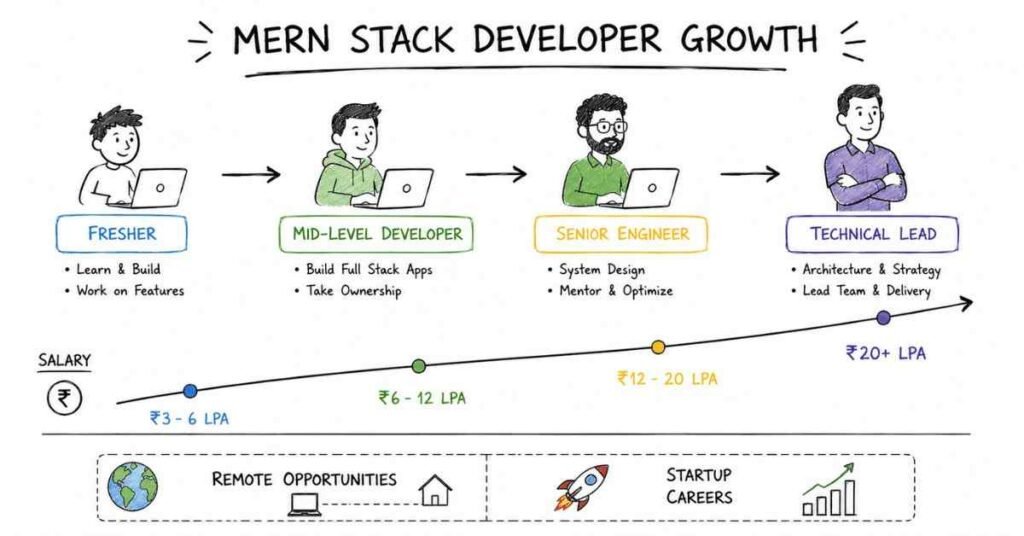
MERN Stack salaries have grown 30% over the last five years, outpacing most other tech roles in India.
MERN Stack Salary in India (2026 Data)
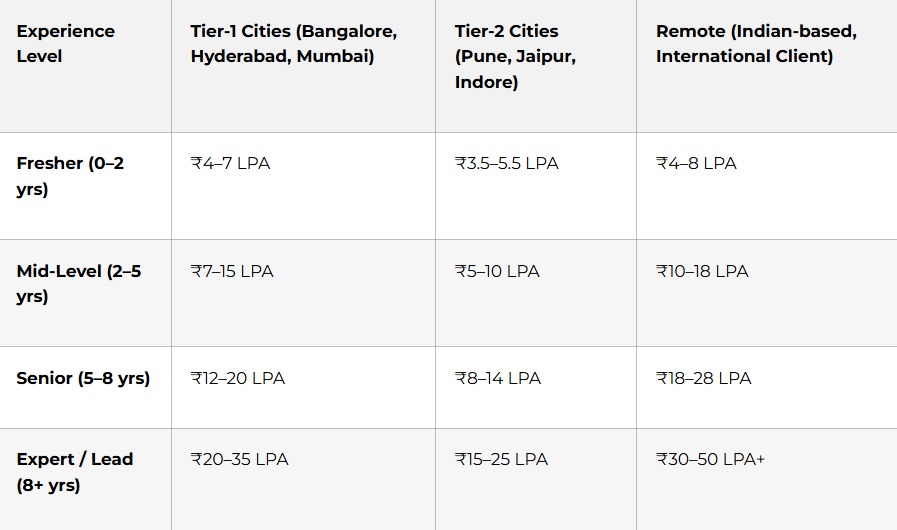
Hyderabad-Specific: Freshers can expect ₹4–5.5 LPA; experienced developers earn ₹7.5–22 LPA.
Freelancers and consultants working with international clients bill ₹1,200–₹4,000/hour even at moderate experience levels.
Explore Career MERN Stack Paths →
MERN Stack Learning Roadmap: Month-by-Month (5–7 Months)
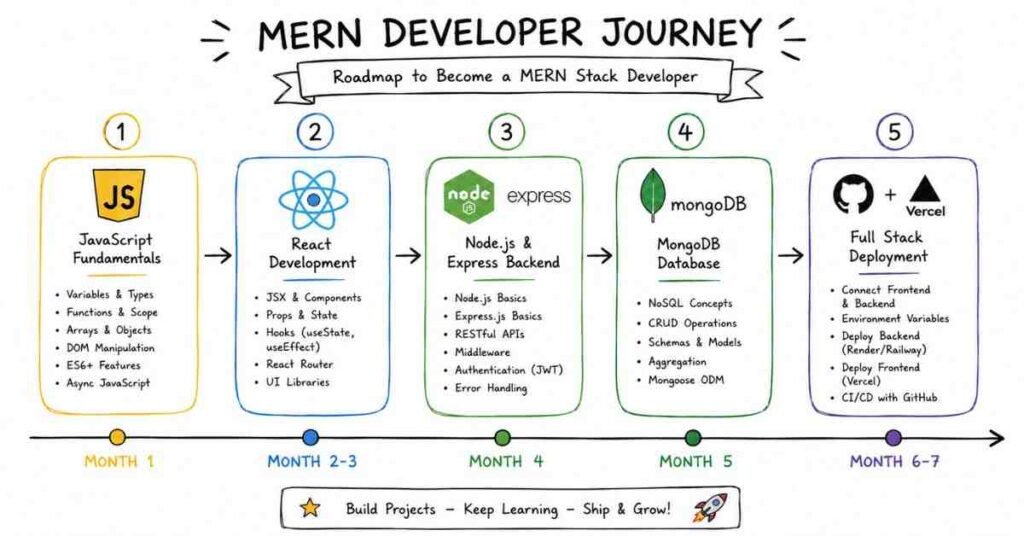
Phase 1: JavaScript Fundamentals (Weeks 1–4)
Don’t skip this. JavaScript is the foundation everything is built on every minute here saves you 10 minutes of confusion later.
What to learn:
- Variables (let, const, var), data types, operators
- Control structures: if-else, loops (for, while, forEach)
- Functions, arrow functions, closures, scope
- ES6+ features: destructuring, spread/rest, template literals
- Async JavaScript: Promises, async/await, fetch API
- Array methods: map, filter, reduce, find
Projects to build:
- Interactive Calculator (DOM manipulation + event handling)
- To-Do List App (CRUD + localStorage)
- Weather App (API integration + async JavaScript)
Phase 2: Frontend with React.js (Weeks 5–9)
React is how you build everything users see and click. Modern React uses functional components and hooks master these.
What to learn:
- Functional components, JSX syntax
- useState and useEffect hooks
- Props, component composition, lifting state up
- React Router for multi-page navigation
- Form handling and controlled inputs
- Context API for state management
Projects to build:
- Portfolio Website (multi-page, responsive becomes a real asset)
- Movie Search App (TMDB/OMDB API + filtering)
- E-Commerce Product Catalog (cart, filtering, state management)
Phase 3: Backend with Node.js + Express.js (Weeks 10–14)
This is where you stop being a frontend developer and become a full-stack developer.
What to learn:
- Node.js event loop, file system, modules
- Express server setup and routing
- REST API design: GET, POST, PUT, DELETE
- Middleware concepts
- JWT authentication + bcrypt password hashing
- CORS configuration
- Error handling patterns
Projects to build:
- User Authentication API (signup, login, JWT tokens)
- Blog Post API (CRUD, pagination, relationships)
- Task Management API (projects, assignments, status filtering)
Phase 4: Database with MongoDB (Weeks 15–17)
MongoDB stores your application’s data in a flexible, JSON-like format perfect for JavaScript apps.
What to learn:
- Collections vs tables; documents vs rows
- CRUD operations in MongoDB
- Query operators and indexing
- Aggregation pipeline
- Mongoose ODM: Schema definition, model creation, population, middleware
Projects to build:
- User Profile System (validation, image upload schemas)
- E-Commerce Database (products, orders, reviews complex relationships)
- Social Media Data Model (users, posts, likes, follows)
Phase 5: Full-Stack Integration + Deployment (Weeks 18–22)
Now you connect frontend + backend + database into one live, deployed application.
What to learn:
- Axios/Fetch for API calls from React
- Managing loading states and API errors in UI
- Context API/Redux for auth state
- File uploads (Cloudinary, AWS S3)
- Git + GitHub workflows
- Deployment: Backend → Render/Heroku; Frontend → Vercel/Netlify
Capstone Projects (Build at least 1):
- Full-Stack Social Media Platform (auth, posts, comments, feeds)
- E-Learning Management System (courses, videos, quizzes, certificates)
- Real-Time Chat Application (WebSockets, group chats, online status)
- Project Management Tool (teams, tasks, deadlines, dashboards)
View Technology MERN Stack Roadmaps →
Essential Tools for MERN Stack Developers
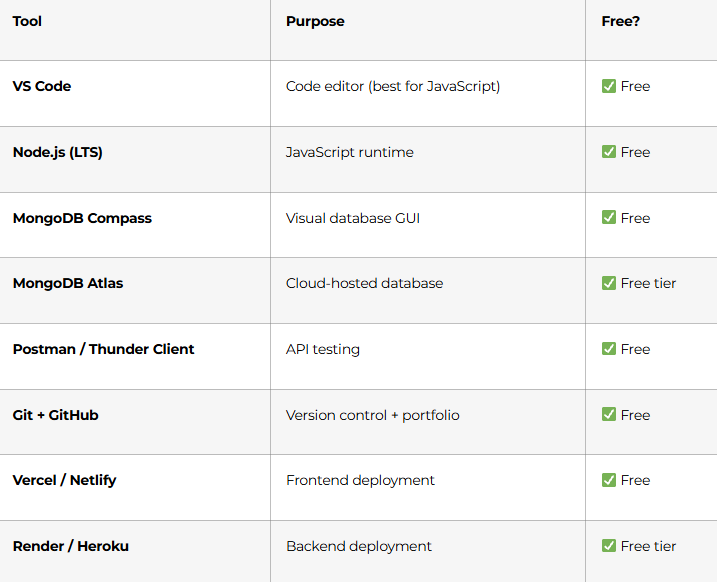
Top VS Code Extensions: ES7+ React Snippets, Prettier, ESLint, GitLens, MongoDB for VS Code, Auto Rename Tag, Path Intellisense.
Building a Portfolio That Gets You Hired
Recruiters spend 30–90 seconds on your portfolio. These are the non-negotiables:
Your portfolio website must include:
- 4–6 deployed projects with live demo links
- GitHub repositories with proper README files (project description, tech stack, setup instructions, screenshots)
- Skills matrix (Frontend / Backend / Database / Tools)
- Contact: LinkedIn + GitHub + professional email
Project Complexity Ladder:
- Month 1–2 (Beginner): Calculator, Weather App, Recipe Manager
- Month 3–5 (Intermediate): Blog Platform with auth, E-Commerce Store, Social Media Feed
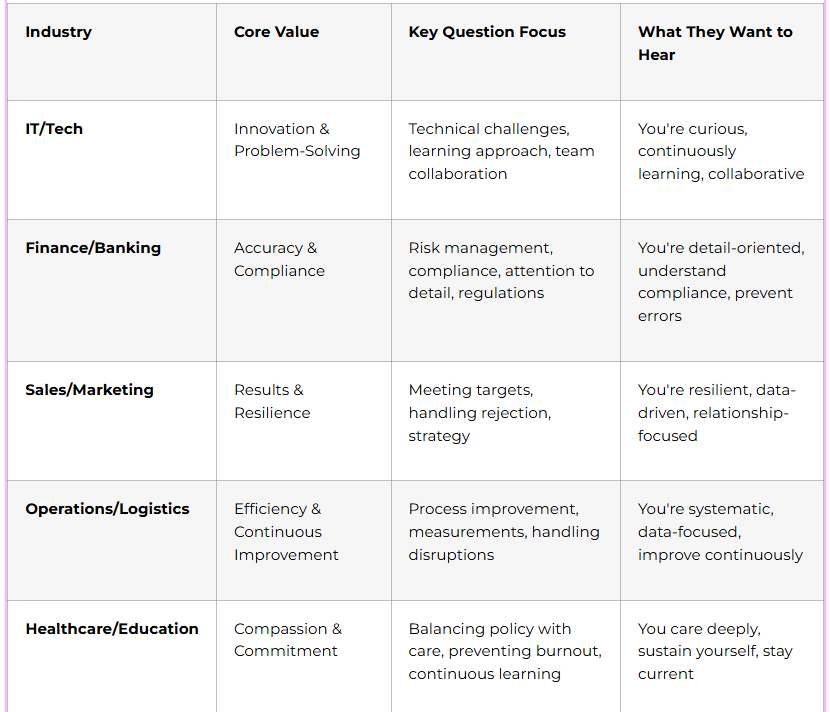
- Month 5–7 (Advanced): Project Management System, Real-Time Chat App, LMS Platform
Rule: Every single project must be deployed with a live link. Recruiters don’t run local setups. No live link = the project doesn’t exist.
How to Get Your First MERN Stack Job in India
Resume Optimization (ATS-Ready)
Structure your technical skills section exactly like this:
text
Programming Languages: JavaScript (ES6+), HTML5, CSS3
Frontend: React.js, React Router, Context API, Tailwind CSS, Bootstrap
Backend: Node.js, Express.js, RESTful APIs, JWT Authentication
Database: MongoDB, Mongoose ODM
Tools: Git/GitHub, Postman, MongoDB Atlas, VS Code
Deployment: Vercel, Netlify, Render, Heroku
Top Job Portals for MERN Developers
- Naukri.com Set alerts for “MERN Stack Developer,” “Full Stack JavaScript,” “React Developer”
- LinkedIn Jobs Optimize your profile with the same keywords; engage with tech content
- AngelList Startup roles, often with equity + competitive salary
- Indeed India Good filtering + company reviews
- Instahyre Curated roles, faster hiring process
Interview Preparation Checklist
Core JavaScript Topics to Master:
- Closures, hoisting, this keyword
- Event bubbling and delegation
- Promises vs callbacks vs async/await
- Prototypal inheritance
React Topics:
- Virtual DOM and reconciliation
- State vs props
- useEffect dependencies and cleanup
- Preventing unnecessary re-renders (React.memo, useMemo)
Backend/MongoDB Topics:
- RESTful API design principles
- JWT auth flow (access token + refresh token)
- Embedding vs referencing in MongoDB
- Aggregation pipeline use cases
MERN Stack Explore Interview Guides →
Common Challenges (And How to Beat Them)
Challenge 1 Overwhelm from Too Much to Learn
Fix: Follow sequential learning. Finish JavaScript → then React → then Node → then MongoDB. Never jump ahead.
Challenge 2 Tutorial Hell (Watching Without Building)
Fix: Spend 70% of time building, 30% watching. After every tutorial, rebuild from scratch without reference.
Challenge 3 Debugging Feels Impossible
Fix: Read the error fully. Check recent changes. Use console.log strategically. Use browser DevTools. Isolate sections by commenting code out. Google with: framework name + version + exact error message.
Challenge 4 Imposter Syndrome
Fix: Apply when you meet 60–70% of job requirements. Everyone including the developers you admire Googles things daily. Document your progress monthly and look back at how far you’ve come.
Challenge 5 No Time to Learn
Fix: Consistency over intensity. 2 focused hours daily beats 8-hour weekend marathons that burn you out. Treat your learning block like a fixed appointment you cannot skip.
Your 7-Day Action Plan to Start Right Now
Day 1: Install VS Code, Node.js (LTS), Git, MongoDB Compass, Postman. Create a GitHub account.
Day 2: Write your first JavaScript file. Practice variables, data types, a simple calculator function.
Day 3–5: Complete FreeCodeCamp’s first 20 JavaScript Algorithm challenges. Build a number guessing game.
Day 6–7: Create a 30-day learning schedule. Join JavaScript/React Discord communities. Connect with 5 MERN developers on LinkedIn.
30-Day Target: Build 3 JavaScript projects, understand async JavaScript, be ready to start React.
90-Day Target: Have 4–5 complete MERN Stack projects deployed, resume ready, LinkedIn optimized, and 10–15 job applications submitted.
Why Learn MERN Stack at Frontlines Edutech?
At Frontlines Edutech, our MERN Stack program is designed specifically for students and working professionals from Hyderabad and the Telugu states taught by instructors who have worked at TCS, Infosys, and Flipkart.
What you get:
- ✅ 5–7 month structured curriculum from JavaScript basics to full-stack deployment
- ✅ 12+ hands-on projects solving real business problems
- ✅ Code reviews and mentorship from working senior developers
- ✅ Resume optimization, mock interviews, and placement support
- ✅ Access to hiring partners actively recruiting MERN developers
- ✅ Lifetime alumni community (500+ students) for referrals and job sharing
- ✅ Money-back guarantee if you complete the course and don’t land a job within 12 months, we refund your fee
📞 Book a Free Demo: Call/WhatsApp 8333-077727
Frequently Asked Questions (FAQs)
Q1. How long does it take to become a MERN Stack Developer?
A. It typically takes 5–7 months of consistent daily learning (2–3 hours/day) to go from beginner to job-ready. Career switchers with strong fundamentals can achieve this in 4–5 months.
Q2. Is MERN Stack good for freshers in India in 2026?
A. Yes. Fresher MERN Stack developers earn ₹3.5–7 LPA in India, with demand growing consistently across e-commerce, fintech, and edtech sectors.
Q3. What is the average MERN Stack developer salary in Hyderabad?
A. Freshers in Hyderabad earn ₹4–5.5 LPA. Experienced MERN developers (3–6 years) earn ₹7.5–22 LPA depending on company and skill depth.
Q4. Do I need a computer science degree to become a MERN Stack developer?
A. No. MERN Stack is skills-based, not degree-based. Many successful developers in India come from mechanical engineering, HR, or non-technical backgrounds.
Q5. What is the difference between MERN and MEAN stack?
A. MERN uses React.js for the frontend; MEAN uses Angular.js. Both are JavaScript-based full-stack frameworks. React has wider industry adoption and more job postings in India as of 2026.
Q6. Which is better MERN Stack or Java Full Stack?
A. MERN Stack has a faster learning curve (JavaScript throughout); Java Full Stack offers broader enterprise adoption. For startups and product companies, MERN is preferred. For service companies (TCS, Infosys, Wipro), Java Full Stack is equally strong.
Q7. Can I learn MERN Stack without prior coding experience?
A. Yes. Start with JavaScript fundamentals (4 weeks), then progress to React, Node.js, and MongoDB. Frontlines Edutech’s program is designed for complete beginners.
Q8. What projects should I build for a MERN Stack portfolio?
A. Build a social media platform, e-commerce store, real-time chat application, or a project management tool. Every project must be deployed live no live demo means recruiters won’t take it seriously.