
How to Master Web Development with Vibe Coding: Complete Career Guide [₹10L Average Salary]

Web Development with Vibe Coding Build modern , responsive web applications with cutting-edge technologies
Web Developers specializing in modern full-stack development create dynamic, user-friendly web applications, with average salaries ranging from ₹4-16 LPA in India and senior full-stack developers earning ₹28+ LPA. As businesses continue their digital transformation and seek to create engaging web experiences, the ability to develop using modern frameworks, implement responsive design, and create scalable web applications has become one of the most versatile and in-demand skills in technology.
Whether you’re a complete programming beginner seeking to enter web development, an experienced developer looking to modernize your skills with latest technologies, or a professional transitioning into full-stack development, this comprehensive guide provides the proven roadmap to building a successful modern web development career. Having trained over 1,200 web developers at Frontlines EduTech with a 91% job placement rate, I’ll share the Vibe Coding methodology that consistently delivers results in this rapidly evolving, high-demand field.
What you’ll master in this guide:
- Complete modern web development pathway from HTML/CSS fundamentals to advanced full-stack applications
- Essential technologies including React, Node.js, MongoDB, and cloud deployment platforms
- Portfolio projects demonstrating real-world applications with modern UI/UX and scalable architecture
- Advanced topics in responsive design, API development, database management, and DevOps integration
- Career advancement opportunities in full-stack development, frontend specialization, and technical leadership
⚡ Become a Job-Ready Full Stack Web Developer
Master HTML, CSS, JavaScript, React, Node.js & MongoDB with our Master Web Development Course
1. What is Modern Web Development with Vibe Coding?
Modern Web Development with Vibe Coding is our comprehensive approach to building contemporary web applications using the latest technologies, frameworks, and development practices. This methodology emphasizes hands-on learning, practical project building, and industry-relevant skills that prepare developers to create responsive, scalable, and user-centric web applications that meet current market demands and business requirements.
Core Components of Vibe Coding Methodology:
Frontend Development Excellence:
- Modern HTML5 & CSS3 – Semantic markup, flexbox, grid layouts, custom properties, advanced animations
- Responsive Web Design – Mobile-first development, breakpoint strategies, cross-device compatibility
- JavaScript Mastery – ES6+, DOM manipulation, asynchronous programming, modern JavaScript patterns
- React Ecosystem – Components, hooks, state management, routing, testing, performance optimization
Backend Development Proficiency:
- Node.js Development – Server-side JavaScript, Express framework, middleware, authentication systems
- Database Integration – MongoDB, MySQL, database design, query optimization, data modeling
- API Development – RESTful APIs, GraphQL, authentication, rate limiting, documentation
- Server Management – Deployment, hosting, performance monitoring, security best practices
Full-Stack Integration:
- MERN Stack Mastery – MongoDB, Express.js, React, Node.js complete application development
- State Management – Redux, Context API, global state handling, data flow optimization
- Real-time Features – WebSockets, Socket.io, live chat, real-time updates, push notifications
- DevOps and Deployment – Git workflows, CI/CD, Docker, cloud platforms, automated testing
Modern Development Practices:
- Component-Based Architecture – Reusable components, design systems, maintainable code structure
- Test-Driven Development – Unit testing, integration testing, automated testing, quality assurance
- Performance Optimization – Code splitting, lazy loading, image optimization, caching strategies
- Accessibility Standards – WCAG compliance, inclusive design, screen reader compatibility, universal access
Traditional Web Development vs Vibe Coding Approach
Traditional Web Development:
- Separate frontend and backend development with limited integration
- Basic responsive design with desktop-first approach
- Manual testing and deployment processes
- Limited use of modern JavaScript frameworks and tools
Vibe Coding Advantages:
- Integrated Full-Stack Approach – Seamless frontend-backend integration with unified development workflow
- Mobile-First Philosophy – Responsive design prioritizing mobile user experience and performance
- Modern Tooling – Advanced development tools, automated workflows, and industry-standard practices
- Project-Based Learning – Real-world application development with practical business scenarios
- Industry Alignment – Curriculum constantly updated with latest market trends and employer requirements
2. Why Choose Web Development in 2025?

Explosive Digital Growth and Web Demand
According to Statista’s Web Development with Vibe Coding Market Report 2025, the global web development market is projected to reach $89 billion by 2027. Web development skills are essential across all industries:
Industry Web Development Needs:
- E-commerce and Retail – Online stores, payment gateways, inventory management, customer portals
- Healthcare and Telemedicine – Patient portals, appointment systems, medical record management, telehealth platforms
- Education and E-learning – Learning management systems, online courses, virtual classrooms, student portals
- Financial Services – Banking applications, investment platforms, cryptocurrency exchanges, fintech solutions
Digital Transformation Acceleration:
- Remote Work Solutions – Collaboration tools, project management systems, virtual office platforms
- Startup Ecosystem – MVP development, rapid prototyping, scalable application architecture
- Government Digitization – Citizen services, digital governance, public service platforms, transparency portals
- Entertainment and Media – Streaming platforms, content management, social media, gaming applications
Competitive Compensation and Career Flexibility
Web developers enjoy strong compensation and diverse career options:
| Experience Level | Frontend Dev | Backend Dev | Full-Stack Dev | Tech Lead | Architect |
| Entry Level (0-2 years) | ₹4-8 LPA | ₹5-9 LPA | ₹6-11 LPA | ₹8-15 LPA | ₹12-20 LPA |
| Mid Level (2-5 years) | ₹8-15 LPA | ₹9-17 LPA | ₹11-20 LPA | ₹15-28 LPA | ₹20-35 LPA |
| Senior Level (5-8 years) | ₹15-25 LPA | ₹17-30 LPA | ₹20-35 LPA | ₹28-45 LPA | ₹35-60 LPA |
| Expert Level (8+ years) | ₹25-40 LPA | ₹30-50 LPA | ₹35-60 LPA | ₹45-80 LPA | ₹60-120 LPA |
Source: PayScale Web Developer Salaries 2025, Naukri Full Stack Trends
Technology Evolution and Modern Frameworks
Web development continues evolving with innovative technologies:
- React 18+ Features – Concurrent rendering, automatic batching, suspense improvements, server components
- Next.js and Jamstack – Static site generation, server-side rendering, API routes, edge deployment
- Cloud-Native Development – Serverless functions, microservices, containerization, auto-scaling
- Web3 and Blockchain – Decentralized applications, smart contracts, cryptocurrency integration, NFT marketplaces
Remote Work and Global Opportunities
Web development offers exceptional flexibility and international opportunities:
- Remote-First Industry – Most web development roles support remote work and global collaboration
- Freelance and Consulting – High demand for project-based work and specialized expertise
- Startup Opportunities – Early-stage company involvement with equity potential and rapid growth
- Global Client Access – International project opportunities and competitive market rates
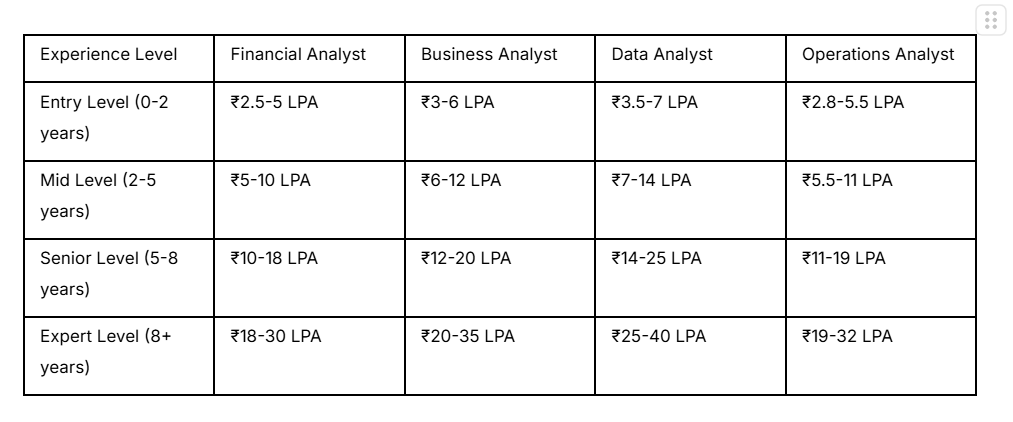
Source: PayScale India 2025, Glassdoor Business Analyst Salaries
Low Barrier to Entry with High Skill Ceiling
Excel analytics offers accessible progression with significant growth potential:
- Familiar Starting Point – Most professionals have basic Excel exposure
- Incremental Learning – Skills build progressively from basic to advanced
- Immediate Application – Can apply new skills immediately in current role
- Versatile Foundation – Transferable skills across industries and functions
Gateway to Advanced Analytics and Data Science
Excel expertise provides foundation for advanced analytical careers:
- Statistical Understanding – Concepts transfer to R, Python, and other analytical tools
- Business Context – Understanding how analysis supports business decisions
- Data Visualization – Principles apply to Tableau, Power BI, and other BI tools
- Model Development – Financial and analytical modeling concepts scale to advanced platforms
3. Complete Learning Roadmap (5-7 Months)
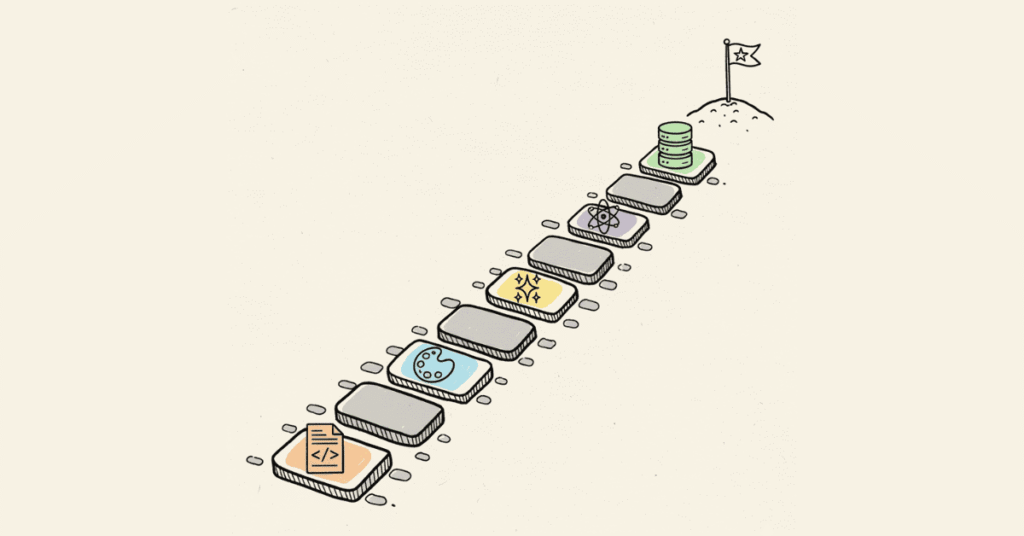
Phase 1: Web Development Fundamentals and Design Foundations (Month 1-2)
HTML5 and Semantic Markup (2-3 weeks)
Building solid foundation in modern HTML is essential for all web development:
- Semantic HTML Structure – Document outline, headings, sections, articles, navigation, accessibility
- Forms and Input Elements – Form validation, input types, form handling, user experience optimization
- HTML5 APIs – Local storage, geolocation, canvas, video/audio, drag and drop functionality
- SEO and Accessibility – Meta tags, structured data, ARIA attributes, screen reader compatibility
CSS3 and Modern Styling (3-4 weeks)
- Layout Systems – Flexbox mastery, CSS Grid, positioning, responsive layout patterns
- Modern CSS Features – Custom properties, calc(), clamp(), container queries, CSS animations
- Responsive Design – Media queries, mobile-first approach, breakpoint strategies, fluid design
- CSS Methodologies – BEM naming, component styling, CSS-in-JS concepts, maintainable code
JavaScript Fundamentals (3-4 weeks)
- Core JavaScript – Variables, data types, functions, objects, arrays, control structures
- ES6+ Features – Arrow functions, destructuring, template literals, modules, promises, async/await
- DOM Manipulation – Element selection, event handling, dynamic content creation, user interactions
- Error Handling – Try-catch blocks, debugging techniques, browser developer tools mastery
Foundation Projects:
- Responsive Portfolio Website – Personal portfolio with modern CSS, interactive elements, mobile optimization
- Interactive Landing Page – Business landing page with animations, form handling, performance optimization
JavaScript Calculator – Advanced calculator with history, keyboard support, and responsive design
Phase 2: Frontend Framework Mastery with React (Month 2-4)
React Fundamentals and Component Architecture (4-5 weeks)
- Component-Based Thinking – Component design, props, state, lifecycle methods, functional components
- React Hooks – useState, useEffect, useContext, useReducer, custom hooks, hook optimization
- Event Handling – User interactions, form handling, event delegation, synthetic events
- Conditional Rendering – Dynamic content, list rendering, conditional logic, performance considerations
Advanced React Development (4-5 weeks)
Professional React Application Development:
jsx
// Modern React Component with Advanced Patterns
import React, { useState, useEffect, useCallback, useMemo } from ‘react’;
import { useQuery, useMutation, useQueryClient } from ‘@tanstack/react-query’;
import { toast } from ‘react-hot-toast’;
import { useDebounce } from ‘../hooks/useDebounce’;
import { useLocalStorage } from ‘../hooks/useLocalStorage’;
import LoadingSpinner from ‘../components/LoadingSpinner’;
import ErrorBoundary from ‘../components/ErrorBoundary’;
// Custom hook for product management
const useProducts = (searchTerm, category) => {
const debouncedSearchTerm = useDebounce(searchTerm, 300);
return useQuery({
queryKey: [‘products’, debouncedSearchTerm, category],
queryFn: async () => {
const params = new URLSearchParams();
if (debouncedSearchTerm) params.append(‘search’, debouncedSearchTerm);
if (category) params.append(‘category’, category);
const response = await fetch(`/api/products?${params}`);
if (!response.ok) {
throw new Error(‘Failed to fetch products’);
}
return response.json();
},
staleTime: 5 * 60 * 1000, // 5 minutes
cacheTime: 10 * 60 * 1000, // 10 minutes
});
};
// Main E-commerce Product Catalog Component
const ProductCatalog = () => {
const [searchTerm, setSearchTerm] = useState(”);
const [selectedCategory, setSelectedCategory] = useState(”);
const [sortBy, setSortBy] = useState(‘name’);
const [viewMode, setViewMode] = useLocalStorage(‘viewMode’, ‘grid’);
const [favorites, setFavorites] = useLocalStorage(‘favorites’, []);
const queryClient = useQueryClient();
// Fetch products with search and filter
const {
data: productsData,
isLoading,
error,
refetch
} = useProducts(searchTerm, selectedCategory);
// Add to cart mutation
const addToCartMutation = useMutation({
mutationFn: async (productId) => {
const response = await fetch(‘/api/cart’, {
method: ‘POST’,
headers: { ‘Content-Type’: ‘application/json’ },
body: JSON.stringify({ productId, quantity: 1 }),
});
if (!response.ok) {
throw new Error(‘Failed to add to cart’);
}
return response.json();
},
onSuccess: () => {
toast.success(‘Product added to cart!’);
queryClient.invalidateQueries([‘cart’]);
},
onError: (error) => {
toast.error(`Error: ${error.message}`);
}
});
// Toggle favorite product
const toggleFavorite = useCallback((productId) => {
setFavorites(prev => {
if (prev.includes(productId)) {
return prev.filter(id => id !== productId);
} else {
return […prev, productId];
}
});
}, [setFavorites]);
// Memoized sorted and filtered products
const sortedProducts = useMemo(() => {
if (!productsData?.products) return [];
return […productsData.products].sort((a, b) => {
switch (sortBy) {
case ‘price-low’:
return a.price – b.price;
case ‘price-high’:
return b.price – a.price;
case ‘rating’:
return b.rating – a.rating;
case ‘newest’:
return new Date(b.createdAt) – new Date(a.createdAt);
default:
return a.name.localeCompare(b.name);
}
});
}, [productsData?.products, sortBy]);
// Handle search input
const handleSearchChange = useCallback((e) => {
setSearchTerm(e.target.value);
}, []);
// Handle category filter
const handleCategoryChange = useCallback((category) => {
setSelectedCategory(category);
}, []);
if (error) {
return (
<div className=”error-container”>
<h2>Something went wrong</h2>
<p>{error.message}</p>
<button onClick={() => refetch()} className=”retry-button”>
Try Again
</button>
</div>
);
}
return (
<ErrorBoundary>
<div className=”product-catalog”>
{/* Search and Filter Header */}
<div className=”catalog-header”>
<div className=”search-container”>
<input
type=”text”
placeholder=”Search products…”
value={searchTerm}
onChange={handleSearchChange}
className=”search-input”
/>
</div>
<div className=”filter-container”>
<select
value={selectedCategory}
onChange={(e) => handleCategoryChange(e.target.value)}
className=”category-filter”
>
<option value=””>All Categories</option>
<option value=”electronics”>Electronics</option>
<option value=”clothing”>Clothing</option>
<option value=”books”>Books</option>
<option value=”home”>Home & Garden</option>
</select>
<select
value={sortBy}
onChange={(e) => setSortBy(e.target.value)}
className=”sort-filter”
>
<option value=”name”>Sort by Name</option>
<option value=”price-low”>Price: Low to High</option>
<option value=”price-high”>Price: High to Low</option>
<option value=”rating”>Highest Rated</option>
<option value=”newest”>Newest First</option>
</select>
<div className=”view-mode-toggle”>
<button
onClick={() => setViewMode(‘grid’)}
className={`view-button ${viewMode === ‘grid’ ? ‘active’ : ”}`}
>
Grid
</button>
<button
onClick={() => setViewMode(‘list’)}
className={`view-button ${viewMode === ‘list’ ? ‘active’ : ”}`}
>
List
</button>
</div>
</div>
</div>
{/* Product Results */}
<div className=”catalog-content”>
{isLoading ? (
<div className=”loading-container”>
<LoadingSpinner />
<p>Loading products…</p>
</div>
) : sortedProducts.length > 0 ? (
<>
<div className=”results-count”>
{productsData.totalCount} products found
</div>
<div className={`product-grid ${viewMode}`}>
{sortedProducts.map(product => (
<ProductCard
key={product.id}
product={product}
viewMode={viewMode}
isFavorite={favorites.includes(product.id)}
onToggleFavorite={() => toggleFavorite(product.id)}
onAddToCart={() => addToCartMutation.mutate(product.id)}
isAddingToCart={addToCartMutation.isLoading}
/>
))}
</div>
{/* Pagination Component */}
<Pagination
currentPage={productsData.currentPage}
totalPages={productsData.totalPages}
onPageChange={(page) => {
// Handle pagination
}}
/>
</>
) : (
<div className=”no-results”>
<h3>No products found</h3>
<p>Try adjusting your search criteria</p>
</div>
)}
</div>
</div>
</ErrorBoundary>
);
};
// Individual Product Card Component
const ProductCard = React.memo(({
product,
viewMode,
isFavorite,
onToggleFavorite,
onAddToCart,
isAddingToCart
}) => {
const [imageLoaded, setImageLoaded] = useState(false);
return (
<div className={`product-card ${viewMode}`}>
<div className=”product-image-container”>
{!imageLoaded && <div className=”image-placeholder”>Loading…</div>}
<img
src={product.imageUrl}
alt={product.name}
className={`product-image ${imageLoaded ? ‘loaded’ : ”}`}
onLoad={() => setImageLoaded(true)}
/>
<button
onClick={onToggleFavorite}
className={`favorite-button ${isFavorite ? ‘active’ : ”}`}
aria-label={isFavorite ? ‘Remove from favorites’ : ‘Add to favorites’}
>
</button>
</div>
<div className=”product-info”>
<h3 className=”product-name”>{product.name}</h3>
<p className=”product-description”>{product.description}</p>
<div className=”product-rating”>
<span className=”stars”>
{‘★’.repeat(Math.floor(product.rating))}
{‘☆’.repeat(5 – Math.floor(product.rating))}
</span>
<span className=”rating-count”>({product.reviewCount} reviews)</span>
</div>
<div className=”product-price”>
{product.originalPrice > product.price && (
<span className=”original-price”>${product.originalPrice}</span>
)}
<span className=”current-price”>${product.price}</span>
{product.originalPrice > product.price && (
<span className=”discount”>
{Math.round(((product.originalPrice – product.price) / product.originalPrice) * 100)}% off
</span>
)}
</div>
<div className=”product-actions”>
<button
onClick={onAddToCart}
disabled={isAddingToCart || product.stock === 0}
className=”add-to-cart-button”
>
{isAddingToCart ? ‘Adding…’ : ‘Add to Cart’}
</button>
{product.stock < 10 && product.stock > 0 && (
<span className=”low-stock”>Only {product.stock} left!</span>
)}
{product.stock === 0 && (
<span className=”out-of-stock”>Out of Stock</span>
)}
</div>
</div>
</div>
);
});
export default ProductCatalog;
State Management and React Ecosystem (2-3 weeks)
- Context API – Global state management, provider patterns, performance optimization
- Redux Toolkit – Modern Redux patterns, slices, RTK Query, middleware integration
- React Router – Navigation, dynamic routing, protected routes, code splitting
- Form Handling – Formik, React Hook Form, validation, user input management
Testing and Quality Assurance (1-2 weeks)
- Jest and React Testing Library – Unit testing, component testing, integration testing
- Testing Strategies – Test-driven development, mocking, snapshot testing, coverage reporting
- Debugging Tools – React DevTools, browser debugging, performance profiling
- Code Quality – ESLint, Prettier, Husky, pre-commit hooks, code review practices
React Projects:
- E-commerce Product Catalog – Complete shopping application with search, filters, cart, and user accounts
- Social Media Dashboard – Real-time social platform with posts, comments, likes, and user profiles
- Task Management Application – Collaborative task manager with teams, projects, and real-time updates
Phase 3: Backend Development and Database Integration (Month 4-5)
Node.js and Express.js Mastery (4-5 weeks)
- Server-Side JavaScript – Node.js fundamentals, event loop, modules, npm ecosystem
- Express Framework – Routing, middleware, error handling, request/response cycle
- API Development – RESTful APIs, HTTP methods, status codes, API documentation
- Authentication and Security – JWT tokens, bcrypt, session management, security best practices
Database Design and Integration (3-4 weeks)
Professional Backend API Development:
javascript
// Advanced Express.js API with MongoDB Integration
const express = require(‘express’);
const mongoose = require(‘mongoose’);
const bcrypt = require(‘bcryptjs’);
const jwt = require(‘jsonwebtoken’);
const rateLimit = require(‘express-rate-limit’);
const helmet = require(‘helmet’);
const cors = require(‘cors’);
const morgan = require(‘morgan’);
const { body, validationResult } = require(‘express-validator’);
const app = express();
// Security and middleware setup
app.use(helmet());
app.use(cors({
origin: process.env.FRONTEND_URL || ‘http://localhost:3000’,
credentials: true
}));
app.use(morgan(‘combined’));
app.use(express.json({ limit: ’10mb’ }));
app.use(express.urlencoded({ extended: true }));
// Rate limiting
const limiter = rateLimit({
windowMs: 15 * 60 * 1000, // 15 minutes
max: 100 // limit each IP to 100 requests per windowMs
});
app.use(‘/api/’, limiter);
// MongoDB connection with error handling
mongoose.connect(process.env.MONGODB_URI || ‘mongodb://localhost:27017/vibeapp’, {
useNewUrlParser: true,
useUnifiedTopology: true,
})
.then(() => console.log(‘Connected to MongoDB’))
.catch(err => {
console.error(‘MongoDB connection error:’, err);
process.exit(1);
});
// User Model with advanced validation
const userSchema = new mongoose.Schema({
username: {
type: String,
required: [true, ‘Username is required’],
unique: true,
trim: true,
minlength: [3, ‘Username must be at least 3 characters’],
maxlength: [20, ‘Username cannot exceed 20 characters’]
},
email: {
type: String,
required: [true, ‘Email is required’],
unique: true,
lowercase: true,
validate: {
validator: function(email) {
return /^\w+([.-]?\w+)*@\w+([.-]?\w+)*(\.\w{2,3})+$/.test(email);
},
message: ‘Please enter a valid email’
}
},
password: {
type: String,
required: [true, ‘Password is required’],
minlength: [6, ‘Password must be at least 6 characters’],
select: false // Don’t return password by default
},
profile: {
firstName: { type: String, trim: true },
lastName: { type: String, trim: true },
avatar: { type: String },
bio: { type: String, maxlength: 500 },
location: { type: String },
website: { type: String }
},
role: {
type: String,
enum: [‘user’, ‘admin’, ‘moderator’],
default: ‘user’
},
isActive: {
type: Boolean,
default: true
},
emailVerified: {
type: Boolean,
default: false
},
lastLogin: {
type: Date
},
loginAttempts: {
type: Number,
default: 0
},
lockUntil: {
type: Date
}
}, {
timestamps: true,
toJSON: {
transform: function(doc, ret) {
delete ret.password;
delete ret.__v;
return ret;
}
}
});
// Password hashing middleware
userSchema.pre(‘save’, async function(next) {
if (!this.isModified(‘password’)) return next();
try {
const salt = await bcrypt.genSalt(12);
this.password = await bcrypt.hash(this.password, salt);
next();
} catch (error) {
next(error);
}
});
// Password comparison method
userSchema.methods.comparePassword = async function(candidatePassword) {
try {
return await bcrypt.compare(candidatePassword, this.password);
} catch (error) {
throw new Error(‘Password comparison failed’);
}
};
// Account lockout methods
userSchema.virtual(‘isLocked’).get(function() {
return !!(this.lockUntil && this.lockUntil > Date.now());
});
userSchema.methods.incLoginAttempts = function() {
// If we have a previous lock that has expired, restart at 1
if (this.lockUntil && this.lockUntil < Date.now()) {
return this.updateOne({
$unset: { lockUntil: 1 },
$set: { loginAttempts: 1 }
});
}
const updates = { $inc: { loginAttempts: 1 } };
// Lock account after 5 attempts for 2 hours
if (this.loginAttempts + 1 >= 5 && !this.isLocked) {
updates.$set = { lockUntil: Date.now() + 2 * 60 * 60 * 1000 };
}
return this.updateOne(updates);
};
userSchema.methods.resetLoginAttempts = function() {
return this.updateOne({
$unset: { loginAttempts: 1, lockUntil: 1 }
});
};
const User = mongoose.model(‘User’, userSchema);
// Product Model for e-commerce functionality
const productSchema = new mongoose.Schema({
name: {
type: String,
required: [true, ‘Product name is required’],
trim: true,
maxlength: [100, ‘Product name cannot exceed 100 characters’]
},
description: {
type: String,
required: [true, ‘Product description is required’],
maxlength: [2000, ‘Description cannot exceed 2000 characters’]
},
price: {
type: Number,
required: [true, ‘Price is required’],
min: [0, ‘Price cannot be negative’]
},
originalPrice: {
type: Number,
min: [0, ‘Original price cannot be negative’]
},
category: {
type: mongoose.Schema.Types.ObjectId,
ref: ‘Category’,
required: [true, ‘Category is required’]
},
tags: [{
type: String,
trim: true
}],
images: [{
url: { type: String, required: true },
alt: { type: String },
isPrimary: { type: Boolean, default: false }
}],
inventory: {
stock: { type: Number, default: 0, min: 0 },
sku: { type: String, unique: true },
trackInventory: { type: Boolean, default: true }
},
shipping: {
weight: { type: Number, min: 0 },
dimensions: {
length: Number,
width: Number,
height: Number
},
freeShipping: { type: Boolean, default: false },
shippingCost: { type: Number, min: 0 }
},
seo: {
metaTitle: { type: String, maxlength: 60 },
metaDescription: { type: String, maxlength: 160 },
slug: { type: String, unique: true }
},
rating: {
average: { type: Number, default: 0, min: 0, max: 5 },
count: { type: Number, default: 0 }
},
isActive: {
type: Boolean,
default: true
},
createdBy: {
type: mongoose.Schema.Types.ObjectId,
ref: ‘User’,
required: true
}
}, {
timestamps: true
});
// Generate slug before saving
productSchema.pre(‘save’, function(next) {
if (this.isModified(‘name’)) {
this.seo.slug = this.name
.toLowerCase()
.replace(/[^a-zA-Z0-9]/g, ‘-‘)
.replace(/-+/g, ‘-‘)
.replace(/^-|-$/g, ”);
}
next();
});
const Product = mongoose.model(‘Product’, productSchema);
// Authentication middleware
const authMiddleware = async (req, res, next) => {
try {
const token = req.header(‘Authorization’)?.replace(‘Bearer ‘, ”);
if (!token) {
return res.status(401).json({
success: false,
message: ‘Access token is required’
});
}
const decoded = jwt.verify(token, process.env.JWT_SECRET || ‘fallback-secret’);
const user = await User.findById(decoded.id).select(‘+password’);
if (!user || !user.isActive) {
return res.status(401).json({
success: false,
message: ‘Invalid or inactive user’
});
}
req.user = user;
next();
} catch (error) {
return res.status(401).json({
success: false,
message: ‘Invalid token’
});
}
};
// Admin authorization middleware
const adminMiddleware = (req, res, next) => {
if (req.user.role !== ‘admin’) {
return res.status(403).json({
success: false,
message: ‘Admin access required’
});
}
next();
};
// Input validation middleware
const handleValidationErrors = (req, res, next) => {
const errors = validationResult(req);
if (!errors.isEmpty()) {
return res.status(400).json({
success: false,
message: ‘Validation failed’,
errors: errors.array()
});
}
next();
};
// User Registration Endpoint
app.post(‘/api/auth/register’,
[
body(‘username’)
.trim()
.isLength({ min: 3, max: 20 })
.withMessage(‘Username must be 3-20 characters’)
.matches(/^[a-zA-Z0-9_]+$/)
.withMessage(‘Username can only contain letters, numbers, and underscores’),
body(’email’)
.isEmail()
.normalizeEmail()
.withMessage(‘Please provide a valid email’),
body(‘password’)
.isLength({ min: 6 })
.withMessage(‘Password must be at least 6 characters’)
.matches(/^(?=.*[a-z])(?=.*[A-Z])(?=.*\d)/)
.withMessage(‘Password must contain at least one lowercase letter, uppercase letter, and number’)
],
handleValidationErrors,
async (req, res) => {
try {
const { username, email, password, profile } = req.body;
// Check if user already exists
const existingUser = await User.findOne({
$or: [{ email }, { username }]
});
if (existingUser) {
return res.status(400).json({
success: false,
message: existingUser.email === email
? ‘Email is already registered’
: ‘Username is already taken’
});
}
// Create new user
const user = new User({
username,
email,
password,
profile: profile || {}
});
await user.save();
// Generate JWT token
const token = jwt.sign(
{ id: user._id, email: user.email },
process.env.JWT_SECRET || ‘fallback-secret’,
{ expiresIn: ‘7d’ }
);
res.status(201).json({
success: true,
message: ‘User registered successfully’,
data: {
user: {
id: user._id,
username: user.username,
email: user.email,
profile: user.profile,
role: user.role
},
token
}
});
} catch (error) {
console.error(‘Registration error:’, error);
res.status(500).json({
success: false,
message: ‘Registration failed’,
error: process.env.NODE_ENV === ‘development’ ? error.message : ‘Internal server error’
});
}
}
);
// User Login Endpoint
app.post(‘/api/auth/login’,
[
body(’email’).isEmail().normalizeEmail().withMessage(‘Please provide a valid email’),
body(‘password’).notEmpty().withMessage(‘Password is required’)
],
handleValidationErrors,
async (req, res) => {
try {
const { email, password } = req.body;
// Find user and include password field
const user = await User.findOne({ email }).select(‘+password’);
if (!user) {
return res.status(400).json({
success: false,
message: ‘Invalid email or password’
});
}
// Check if account is locked
if (user.isLocked) {
return res.status(423).json({
success: false,
message: ‘Account is temporarily locked due to too many failed login attempts’
});
}
// Verify password
const isPasswordValid = await user.comparePassword(password);
if (!isPasswordValid) {
await user.incLoginAttempts();
return res.status(400).json({
success: false,
message: ‘Invalid email or password’
});
}
// Reset login attempts on successful login
if (user.loginAttempts > 0) {
await user.resetLoginAttempts();
}
// Update last login
user.lastLogin = new Date();
await user.save();
// Generate JWT token
const token = jwt.sign(
{ id: user._id, email: user.email },
process.env.JWT_SECRET || ‘fallback-secret’,
{ expiresIn: ‘7d’ }
);
res.json({
success: true,
message: ‘Login successful’,
data: {
user: {
id: user._id,
username: user.username,
email: user.email,
profile: user.profile,
role: user.role,
lastLogin: user.lastLogin
},
token
}
});
} catch (error) {
console.error(‘Login error:’, error);
res.status(500).json({
success: false,
message: ‘Login failed’,
error: process.env.NODE_ENV === ‘development’ ? error.message : ‘Internal server error’
});
}
}
);
// Protected Profile Route
app.get(‘/api/user/profile’, authMiddleware, async (req, res) => {
try {
const user = await User.findById(req.user._id);
res.json({
success: true,
data: { user }
});
} catch (error) {
res.status(500).json({
success: false,
message: ‘Failed to fetch profile’,
error: process.env.NODE_ENV === ‘development’ ? error.message : ‘Internal server error’
});
}
});
// Product CRUD Operations
app.get(‘/api/products’, async (req, res) => {
try {
const page = parseInt(req.query.page) || 1;
const limit = parseInt(req.query.limit) || 12;
const skip = (page – 1) * limit;
const query = { isActive: true };
// Search functionality
if (req.query.search) {
query.$or = [
{ name: { $regex: req.query.search, $options: ‘i’ } },
{ description: { $regex: req.query.search, $options: ‘i’ } },
{ tags: { $in: [new RegExp(req.query.search, ‘i’)] } }
];
}
// Category filter
if (req.query.category) {
query.category = req.query.category;
}
// Price range filter
if (req.query.minPrice || req.query.maxPrice) {
query.price = {};
if (req.query.minPrice) query.price.$gte = parseFloat(req.query.minPrice);
if (req.query.maxPrice) query.price.$lte = parseFloat(req.query.maxPrice);
}
// Sorting
let sortBy = {};
switch (req.query.sortBy) {
case ‘price-low’:
sortBy.price = 1;
break;
case ‘price-high’:
sortBy.price = –1;
break;
case ‘rating’:
sortBy[‘rating.average’] = –1;
break;
case ‘newest’:
sortBy.createdAt = –1;
break;
default:
sortBy.name = 1;
}
const [products, totalCount] = await Promise.all([
Product.find(query)
.populate(‘category’, ‘name’)
.populate(‘createdBy’, ‘username’)
.sort(sortBy)
.skip(skip)
.limit(limit),
Product.countDocuments(query)
]);
res.json({
success: true,
data: {
products,
pagination: {
currentPage: page,
totalPages: Math.ceil(totalCount / limit),
totalCount,
hasNext: page < Math.ceil(totalCount / limit),
hasPrev: page > 1
}
}
});
} catch (error) {
console.error(‘Products fetch error:’, error);
res.status(500).json({
success: false,
message: ‘Failed to fetch products’
});
}
});
// Global error handler
app.use((error, req, res, next) => {
console.error(‘Global error handler:’, error);
// Mongoose validation error
if (error.name === ‘ValidationError’) {
const errors = Object.values(error.errors).map(err => err.message);
return res.status(400).json({
success: false,
message: ‘Validation Error’,
errors
});
}
// Mongoose duplicate key error
if (error.code === 11000) {
const field = Object.keys(error.keyValue);
return res.status(400).json({
success: false,
message: `${field} already exists`
});
}
// JWT errors
if (error.name === ‘JsonWebTokenError’) {
return res.status(401).json({
success: false,
message: ‘Invalid token’
});
}
// Default error response
res.status(error.status || 500).json({
success: false,
message: error.message || ‘Internal Server Error’
});
});
// 404 handler
app.use(‘*’, (req, res) => {
res.status(404).json({
success: false,
message: `Route ${req.originalUrl} not found`
});
});
const PORT = process.env.PORT || 5000;
app.listen(PORT, () => {
console.log(`Server running on port ${PORT}`);
console.log(`Environment: ${process.env.NODE_ENV || ‘development’}`);
});
module.exports = app;
Advanced Backend Concepts (2-3 weeks)
- File Upload and Processing – Multer, image processing, cloud storage integration
- Real-time Communication – WebSockets, Socket.io, live chat, notifications
- Payment Integration – Stripe, PayPal, webhook handling, subscription management
- Email Services – Nodemailer, email templates, automated email workflows
Backend Projects:
- Complete Authentication System – JWT-based auth with user roles, password reset, email verification
- RESTful Blog API – Full CRUD operations, user management, comment system, search functionality
- Real-time Chat Application – Socket.io implementation with rooms, private messages, file sharing
Phase 4: Full-Stack Integration and Advanced Features (Month 5-6)
MERN Stack Application Development (4-5 weeks)
- Frontend-Backend Integration – API consumption, error handling, loading states, data synchronization
- State Management – Global state, server state, caching strategies, optimistic updates
- File Upload Systems – Image upload, file management, progress tracking, cloud storage
- Search and Filtering – Advanced search functionality, real-time filtering, pagination
Performance Optimization and Security (3-4 weeks)
- Frontend Performance – Code splitting, lazy loading, image optimization, caching strategies
- Backend Performance – Database optimization, API caching, request optimization, monitoring
- Security Implementation – CORS, helmet, rate limiting, input validation, secure headers
- Error Handling – Comprehensive error boundaries, logging, user-friendly error messages
DevOps and Deployment (2-3 weeks)
- Version Control – Git workflows, branching strategies, collaborative development
- Deployment Platforms – Heroku, Netlify, Vercel, AWS deployment options
- Environment Management – Environment variables, configuration management, secrets handling
- Monitoring and Analytics – Performance monitoring, error tracking, user analytics
Full-Stack Projects:
- Social Media Platform – Complete social application with posts, comments, likes, user profiles
- E-learning Management System – Course management, video streaming, progress tracking, assessments
- Project Management Tool – Team collaboration, task management, real-time updates, file sharing
Phase 5: Specialization and Professional Development (Month 6-7)
Choose Advanced Specialization:
Frontend Specialization (Advanced React Ecosystem):
- Next.js Mastery – Server-side rendering, static site generation, API routes, edge functions
- Advanced State Management – Zustand, Jotai, Recoil, micro-frontend architecture
- Design Systems – Component libraries, Storybook, design tokens, accessibility compliance
- Performance Engineering – Core web vitals, lighthouse optimization, advanced caching
Backend Specialization (Node.js Architecture):
- Microservices Architecture – Service decomposition, API gateways, inter-service communication
- Database Optimization – Query optimization, indexing strategies, database scaling
- Cloud Services Integration – AWS services, serverless functions, container orchestration
- Advanced Security – OAuth implementation, encryption, security auditing, compliance
Full-Stack Specialization (End-to-End Development):
- DevOps Integration – CI/CD pipelines, Docker containerization, cloud deployment automation
- Testing Strategies – End-to-end testing, performance testing, load testing, quality assurance
- Project Architecture – System design, scalability planning, technology selection
- Team Leadership – Code review processes, mentoring, technical documentation, agile methodologies
🗺️ Follow the Complete Web Development Roadmap
Beginner → Frontend → Backend → Full-Stack → Deployment → Advanced Open Roadmap →
4. Essential WEB Technology and Tools

Frontend Development Stack
Core Technologies:
- HTML5 – Semantic markup, accessibility features, modern HTML APIs, progressive enhancement
- CSS3 & Preprocessors – Flexbox, Grid, animations, SASS/SCSS, CSS-in-JS, utility frameworks
- JavaScript (ES6+) – Modern syntax, modules, async programming, functional programming concepts
- TypeScript – Type safety, advanced typing, interface definitions, improved developer experience
Modern Frameworks and Libraries:
- React.js – Component-based architecture, hooks, context API, performance optimization
- Next.js – Server-side rendering, static site generation, API routes, deployment optimization
- Vue.js – Progressive framework, composition API, Vue ecosystem, Nuxt.js integration
- Svelte/SvelteKit – Compile-time optimization, reactive programming, minimal runtime overhead
Backend Development Technologies
Server-Side Platforms:
- Node.js – Event-driven architecture, npm ecosystem, performance optimization, clustering
- Express.js – Lightweight framework, middleware architecture, RESTful API development
- Nest.js – Enterprise Node.js framework, decorators, dependency injection, TypeScript support
- Fastify – High-performance alternative to Express, schema validation, plugin architecture
Database Technologies:
- MongoDB – Document database, aggregation pipelines, indexing, replica sets, sharding
- PostgreSQL – Relational database, advanced querying, JSON support, performance tuning
- MySQL – Traditional relational database, optimization, replication, cloud variants
- Redis – In-memory data store, caching, session management, pub/sub messaging
Development Tools and Environment
Code Editors and IDEs:
- Visual Studio Code – Extensive extension ecosystem, debugging tools, integrated terminal
- WebStorm – Professional JavaScript IDE, advanced refactoring, intelligent code completion
- Sublime Text – Lightweight editor, customizable interface, powerful search and replace
- Atom – GitHub’s hackable editor, community packages, Git integration
Version Control and Collaboration:
- Git – Distributed version control, branching strategies, merge conflict resolution
- GitHub – Code hosting, collaborative development, Actions CI/CD, project management
- GitLab – Complete DevOps platform, integrated CI/CD, container registry, issue tracking
- Bitbucket – Atlassian integration, pull requests, pipeline management, deployment tools
Deployment and DevOps Tools
Hosting and Deployment Platforms:
- Netlify – JAMstack deployment, edge functions, form handling, identity management
- Vercel – Next.js optimized deployment, serverless functions, global CDN, preview deployments
- Heroku – Platform-as-a-service, easy deployment, add-on ecosystem, database management
- AWS – Comprehensive cloud services, EC2, S3, Lambda, RDS, comprehensive infrastructure
Containerization and Orchestration:
- Docker – Container technology, image creation, multi-stage builds, compose files
- Kubernetes – Container orchestration, scaling, service discovery, configuration management
- Docker Compose – Multi-container applications, development environments, service definitions
- Podman – Daemonless container engine, rootless containers, Kubernetes YAML compatibility
5. Building Your Web Development Portfolio

Understanding Portfolio Purpose and Strategy
Your web development portfolio serves as your professional identity in the job market, demonstrating not just coding ability but problem-solving skills, design sensibility, and professional communication. Unlike resumes that list qualifications, portfolios provide tangible proof of capabilities through working applications that employers can interact with.
Portfolio Objectives:
Demonstrate technical proficiency across frontend and backend technologies. Showcase clean, readable code that follows industry best practices and modern development patterns.
Prove problem-solving abilities through projects addressing real-world challenges. Employers value developers who can translate business requirements into functional applications.
Exhibit design awareness and user experience considerations. Even backend-focused developers benefit from demonstrating UI/UX understanding.
Communicate professional identity and personality that differentiates you from other candidates. Your portfolio reveals not just skills but approach, values, and interests.
Essential Portfolio Components
Professional Landing Page:
Create an immediate, compelling first impression within 5 seconds. Visitors should instantly understand who you are, what you do, and your unique value proposition.
Design a clean, modern interface that demonstrates your frontend capabilities. Your portfolio design quality signals your development standards.
Include a professional photograph and concise introduction highlighting your specialization. Avoid generic “aspiring web developer” language; position yourself as a professional specializing in specific technologies.
Project Showcase Section:
Display 3-6 high-quality projects rather than numerous mediocre ones. Quality dramatically outweighs quantity in portfolio evaluation.
For each project include:
- Clear project description explaining problem solved and target users
- Technology stack with specific versions used
- Live demo link allowing employers to interact with working application
- GitHub repository link with comprehensive README documentation
- Key challenges overcome and solutions implemented
- Visual screenshots or video demonstrations showing functionality
Technical Skills Documentation:
Organize skills by category: Frontend Technologies, Backend Technologies, Databases, Tools & Platforms. This structure helps employers quickly assess your capabilities.
Indicate proficiency levels honestly: Advanced, Intermediate, Familiar. Overinflating skills leads to uncomfortable interview situations.
Support skill claims with project evidence. List technologies alongside projects demonstrating their application.
About Section:
Tell your professional story authentically. Explain your path to web development, what motivates you, and what types of projects interest you most.
Highlight unique backgrounds or perspectives you bring. Career changers often possess valuable domain knowledge or soft skills that differentiate them from traditional computer science graduates.
Keep tone professional yet personable. Demonstrate personality while maintaining professional standards.
Contact Information and Professional Links:
Make contacting you effortless with multiple options: email, phone, LinkedIn, GitHub. Hidden or difficult-to-find contact information frustrates potential employers.
Include professional social media links demonstrating community engagement. Active participation in developer communities signals continuous learning and industry involvement.
Provide downloadable resume for traditional application requirements. Some employers prefer standard resume formats for HR systems.
Project Selection and Development Strategy
Portfolio Project Types:
Full-Stack CRUD Application: Demonstrate complete application development from database to frontend UI. E-commerce platforms, social media clones, or project management tools showcase comprehensive skills.
API Integration Project: Show ability to work with third-party services and handle asynchronous operations. Weather dashboards, movie databases, or payment processing demonstrations prove real-world integration capabilities.
Real-Time Application: Display WebSocket or Socket.io implementation for live functionality. Chat applications, collaborative tools, or live notification systems demonstrate advanced technical capabilities.
Responsive Design Showcase: Highlight mobile-first development and cross-device compatibility. Portfolios themselves serve this purpose, but additional projects emphasize responsive design expertise.
Open Source Contribution: Include significant contributions to established projects. This demonstrates code review skills, collaborative development, and industry standard workflow understanding.
Unique Personal Project: Build something reflecting personal interests or solving problems you’ve experienced. Authentic projects demonstrate passion and creativity beyond tutorial following.
Portfolio Development Best Practices
Code Quality Standards:
Write clean, well-commented code following industry conventions. Portfolio code receives scrutiny that production code often doesn’t; exceptional quality is essential.
Implement consistent naming conventions, proper file organization, and modular architecture. Code structure reveals professional maturity and scalability awareness.
Include comprehensive README documentation explaining project setup, features, and technical decisions. Documentation quality signals professional communication abilities.
GitHub Repository Management:
Maintain active commit history showing regular development progress. Sporadic commits or single massive commits suggest poor version control practices.
Write descriptive commit messages explaining reasoning behind changes. Commit messages demonstrate thought process and communication skills.
Use branches for feature development and pull requests even on solo projects. This workflow demonstrates collaborative development understanding.
Deployment and Hosting:
Deploy all portfolio projects to live URLs using platforms like Netlify, Vercel, or Heroku. Live applications enable employers to evaluate functionality without local setup.
Ensure consistent uptime and performance across portfolio sites. Broken demo links create terrible impressions and waste recruitment opportunities.
Implement custom domains for professional appearance. yourname.com demonstrates significantly more professionalism than username.netlify.app.
Portfolio Presentation and Storytelling
Project Case Studies:
Transform simple project listings into compelling case studies telling complete stories. Explain problem context, solution approach, technical challenges, and measurable outcomes.
Include before/after comparisons, user feedback, or performance metrics when possible. Quantifiable impact demonstrates business awareness beyond pure technical implementation.
Discuss trade-offs and alternative approaches considered. Mature developers understand technology choices involve compromises between competing priorities.
Visual Design and User Experience:
Design portfolio with same care you’d give client projects. Sloppy portfolio design suggests similar standards for professional work.
Ensure fast loading times and excellent mobile experience. Performance problems on your own portfolio raise serious capability questions.
Use consistent branding, color schemes, and typography creating cohesive professional identity. Visual consistency demonstrates attention to detail.
Continuous Portfolio Evolution:
Update portfolio regularly with new projects and improved skills. Stale portfolios suggest stagnant skill development or lack of current practice.
Refresh older projects with new technologies and improved implementations. Revisiting previous work with enhanced skills demonstrates growth trajectory.
Remove outdated or lower-quality projects as capabilities improve. Your worst project sets the lower bound of employer expectations.
🧠 Crack Your Web Development Interviews Faster
Get 200+ real questions on JS, React, Node.js, APIs & System Design Open Interview Guide →
6. Job Search Strategy
Preparation Phase: Positioning for Success
Market Research and Role Targeting:
Research web development job market in your geographic region or remote work targets. Understand which technologies, frameworks, and skills employers prioritize locally.
Identify target companies and roles matching your skill level and interests. Applying strategically to aligned positions yields better results than mass applications.
Study job descriptions to understand employer language and requirements. Tailor your resume and portfolio presentation using terminology employers recognize.
Professional Online Presence:
LinkedIn Optimization: Create compelling headline beyond “Web Developer” that highlights specific technologies and value[4][11]. “Full-Stack Developer Specializing in React & Node.js | Building Scalable Web Applications” communicates more than generic titles.
Write comprehensive LinkedIn summary telling your professional story and technical journey. Explain your background, specialization, and what kinds of projects excite you.
List all relevant skills with endorsements from colleagues, instructors, or collaborators. Skills validation increases profile credibility.
Share relevant content, comment on industry posts, and demonstrate active community participation. Passive profiles receive less recruiter attention than engaged professionals.
Resume Optimization:
Tailor resume for each application highlighting most relevant experience and skills. Generic resumes get filtered by applicant tracking systems and recruiters.
Quantify achievements with metrics wherever possible. “Built e-commerce platform serving 1,000+ monthly users with 2-second average load time” beats “Created e-commerce website.”
Include relevant keywords from job descriptions for ATS optimization. Many applications never reach human reviewers without keyword matches.
Keep format clean, scannable, and single-page for junior roles. Recruiters spend 6-7 seconds initially reviewing resumes; clarity matters more than comprehensive detail.
Active Job Search Strategies
Strategic Application Approach:
Apply to positions matching 60-70% of requirements rather than only 100% matches. Job descriptions often list ideal rather than minimum qualifications, and employers expect learning.
Prioritize quality applications over quantity. Five carefully tailored applications outperform fifty generic submissions.
Focus on local and hybrid positions where competition is lower than fully remote roles. Remote positions attract exponentially more applicants, making local opportunities better odds for entry-level candidates.
Target growing startups and mid-size companies over huge corporations. Smaller companies often provide more opportunities for junior developers and faster hiring processes.
Job Search Platforms and Resources:
Primary Platforms:
- LinkedIn Jobs: Leverage your network and profile for visibility
- Indeed: Broad job coverage with easy application processes
- AngelList/Wellfound: Startup-focused opportunities with equity potential
- Dice: Tech-specific job board with developer-focused positions
Specialized Developer Platforms:
- GitHub Jobs: Developer-centric listings emphasizing technical skills
- Stack Overflow Jobs: Quality technical positions from reputable companies
- Remote OK: Curated remote development opportunities
- We Work Remotely: Remote-first company listings
Direct Company Applications:
Visit career pages of target companies and apply directly. Direct applications sometimes receive priority over third-party platform submissions.
Set up job alerts on company career pages for immediate notification of new postings. Early applications receive more recruiter attention before position saturation.
Network-Based Opportunities
Strategic Networking Approach:
Networking generates more job opportunities than applications alone. Many positions fill through referrals before public posting.
Networking Activities:
Attend local developer meetups, hackathons, and tech events. In-person connections create stronger relationships than online interactions alone.
Join online developer communities: Discord servers, Reddit communities, Slack workspaces focused on your technology stack. Active, helpful participation builds reputation and connections.
Participate in Twitter/X tech conversations following industry leaders and engaging with community. Public technical discussions demonstrate knowledge and increase visibility.
Contribute to open source projects attracting attention from maintainers and community members. Quality contributions lead to networking opportunities and sometimes direct job offers.
Informational Interviews:
Request informational interviews with developers at target companies. Most professionals willingly share advice and insights when approached respectfully.
Ask about company culture, technical challenges, and career paths rather than directly requesting jobs. Information gathering builds relationships that may lead to opportunities later.
Follow up with thank you messages and maintain connections. Professional relationships develop over time through consistent, genuine engagement.
Referral Strategies:
Leverage existing connections for employee referrals when possible. Referred candidates receive significantly more interview opportunities than cold applications.
Contribute value before asking for referrals. Help connections, share relevant content, or provide assistance establishing relationship foundation.
Be specific about roles when requesting referrals and explain why you’re interested. Vague referral requests are harder to action than targeted, well-reasoned asks.
Interview Preparation and Success :
Coding Challenge Practice: Complete problems on Leet Code, Hacker Rank, or Code wars focusing on JavaScript and algorithms. Regular practice builds problem-solving fluency needed for timed assessments.
Portfolio Deep Dives: Prepare to explain every project detail thoroughly including architecture decisions, challenges overcome, and alternative approaches considered. Interviewers probe projects deeply to assess true understanding versus tutorial following.
Technology Fundamentals: Review core concepts in your tech stack: React lifecycle, Node.js event loop, database normalization, HTTP protocols. Strong fundamentals signal solid foundation for continued learning.
System Design Basics: Understand basic architecture patterns even for junior roles: client-server architecture, RESTful design, database relationships, caching strategies. System design questions assess scalability thinking.
Behavioural Interview Preparation:
Prepare STAR method stories (Situation, Task, Action, Result) demonstrating soft skills. Technical skills get interviews; soft skills secure offers.
Practice explaining technical concepts to non-technical audiences. Communication abilities matter as much as coding skills for team collaboration.
Prepare thoughtful questions about company culture, team structure, development practices, and growth opportunities. Question quality reveals preparation level and genuine interest.
Post-Interview Follow-Up:
Send personalized thank you emails within 24 hours referencing specific conversation topics. Thoughtful follow-up demonstrates professionalism and genuine interest.
Remain patient but proactive during decision timelines. Polite check-ins after stated decision dates are appropriate and show continued interest.
Learn from rejections by requesting feedback when possible. Constructive criticism helps improve future interview performance.
Alternative Entry Paths
Freelance and Contract Work:
Build initial experience through Upwork, Fiverr, or Toptal freelance platforms. Short-term projects provide real-world experience, portfolio material, and potential client references.
Offer discounted or pro-bono services to nonprofits or small businesses initially. Real client work trumps personal projects for demonstrating professional capabilities.
Use freelance experience to build testimonials and case studies strengthening job applications. Client validation carries significant weight with employers.
Internships and Apprenticeships:
Apply to developer internships even with non-traditional backgrounds. Many programs specifically target career changers and bootcamp graduates.
Consider paid apprenticeship programs offering mentorship and structured learning. Apprenticeships combine learning with professional experience building strong foundations.
Open Source Contribution Strategy:
Make meaningful contributions to established open source projects in your technology stack. Quality contributions demonstrate collaborative development skills and code review experience.
Progress from documentation improvements and bug fixes to feature implementations. Incremental contributions build confidence and maintainer trust.
Continuous Improvement During Job Search
Skill Development:
Continue learning and building projects throughout job search. Months-long searches are common; maintaining skills prevents stagnation.
Learn technologies appearing frequently in target job descriptions. Adapting skills to market demands increases application success rates.
Mental Health and Persistence:
Maintain healthy routines including exercise, social connection, and non-coding activities. Job search stress affects mental health; balance prevents burnout.
Set process goals (applications sent, projects built, connections made) rather than only outcome goals (interviews received, offers obtained). You control effort, not employer responses.
Join job search accountability groups or partner with other job seekers. Shared challenges feel less isolating and provide mutual support.
Remember that rejection is normal and doesn’t reflect your capabilities. Even exceptional candidates face numerous rejections in competitive markets.
7. Salary Expectations and Career Growth
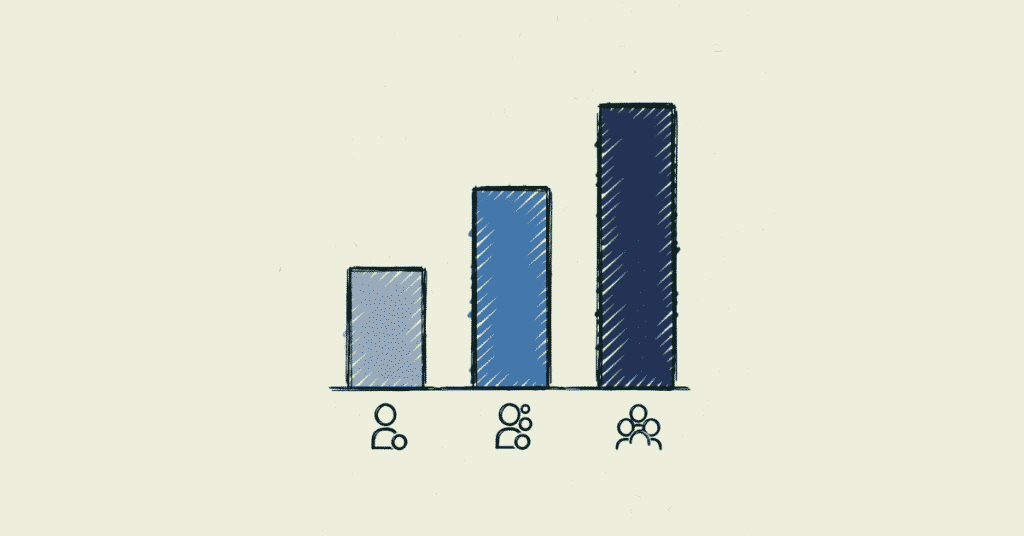
2025 Compensation Benchmarks by Experience and Specialization
Frontend Developer Track:
- Junior Frontend Developer (0-2 years): ₹4-8 LPA
- Frontend Developer (2-5 years): ₹8-15 LPA
- Senior Frontend Developer (5-8 years): ₹15-25 LPA
- Lead Frontend Developer (8+ years): ₹25-40 LPA
Backend Developer Track:
- Junior Backend Developer (0-2 years): ₹5-9 LPA
- Backend Developer (2-5 years): ₹9-17 LPA
- Senior Backend Developer (5-8 years): ₹17-30 LPA
- Lead Backend Developer (8+ years): ₹30-50 LPA
Full-Stack Developer Track:
- Junior Full-Stack Developer (0-2 years): ₹6-11 LPA
- Full-Stack Developer (2-5 years): ₹11-20 LPA
- Senior Full-Stack Developer (5-8 years): ₹20-35 LPA
- Principal Full-Stack Developer (8+ years): ₹35-60 LPA
Technical Leadership:
- Tech Lead (5-8 years): ₹20-40 LPA
- Engineering Manager (8-12 years): ₹30-55 LPA
- Director of Engineering (12+ years): ₹50-90 LPA
- VP Engineering/CTO (15+ years): ₹80-150 LPA
Industry and Geographic Salary Variations
High-Paying Industries:
- Technology and Startups – 20-30% premium for equity participation and rapid growth
- Financial Technology (Fintech) – 25-35% premium for specialized financial application development
- E-commerce and Digital Commerce – 15-25% premium for high-traffic, scalable application experience
- Healthcare Technology – 20-30% premium for regulatory compliance and specialized domain knowledge
Geographic Salary Distribution:
- Bangalore – Technology hub with highest opportunities, 15-25% above national average
- Hyderabad – Growing tech ecosystem, 12-20% above national average
- Pune – Established IT presence, 10-18% above national average
- Mumbai – Financial services focus, 8-15% above national average for fintech roles
Career Progression Pathways
Technical Specialist Track:
text
Web Developer (1-3 years)
↓
Senior Web Developer (3-6 years)
↓
Tech Lead/Architect (6-10 years)
↓
Principal Engineer (10-15 years)
↓
Distinguished Engineer (15+ years)
Management Track:
text
Senior Developer (3-6 years)
↓
Tech Lead (6-10 years)
↓
Engineering Manager (10-14 years)
↓
Director of Engineering (14-18 years)
↓
VP Engineering (18+ years)
Entrepreneurship Track:
text
Full-Stack Developer (2-5 years)
↓
Senior Developer/Consultant (5-8 years)
↓
Technical Co-founder (8-12 years)
↓
Startup CEO/CTO (12+ years)
↓
Serial Entrepreneur (15+ years)
Skills for Accelerated Career Growth
Technical Mastery (Years 1-5):
- Frontend Excellence – React mastery, modern CSS, responsive design, performance optimization
- Backend Proficiency – Node.js expertise, database design, API development, security implementation
- Full-Stack Integration – Seamless frontend-backend development, deployment, DevOps basics
- Modern Tools – Git proficiency, development environment optimization, debugging skills
System Design and Architecture (Years 5-10):
- Scalable Architecture – Microservices, distributed systems, cloud architecture, performance at scale
- Leadership Skills – Code review, mentoring, technical decision making, cross-team collaboration
- Business Understanding – Product development, user experience, metrics analysis, business impact
- Communication – Technical writing, presentation skills, stakeholder management, documentation
Strategic Leadership (Years 10+):
- Technology Vision – Emerging technology evaluation, technical roadmap planning, innovation leadership
- Team Building – Hiring, team development, culture building, performance management
- Product Strategy – Market analysis, competitive positioning, technical product management
- Industry Influence – Conference speaking, open source contribution, thought leadership, community building
8. Success Stories from Our Students
Rahul Gupta – From Marketing Executive to Full-Stack Developer
Background: 3 years as digital marketing executive with basic website management experience but no programming knowledge
Challenge: Wanted to transition from marketing to technical role but needed comprehensive development skills
Vibe Coding Approach: Leveraged marketing understanding of user needs while building complete technical skillset
Timeline: 20 months from programming beginner to senior full-stack developer
Current Position: Senior Full-Stack Developer at Growing EdTech Startup
Salary Progression: ₹4.2 LPA → ₹7.8 LPA → ₹14.5 LPA → ₹23.8 LPA (over 22 months)
Rahul’s Development Journey:
- Marketing Foundation – Used understanding of user experience and business needs to create user-centered applications
- Systematic Learning – Progressed through frontend fundamentals to advanced full-stack development
- Project Focus – Built impressive portfolio demonstrating both technical skills and business impact
- Continuous Growth – Stayed current with latest technologies and industry best practices
Key Success Factors:
- User-Centric Approach – “My marketing background helped me understand what users actually need from web applications”
- Business Understanding – “I could see the connection between code and business results, which helped me prioritize features”
- Persistent Learning – “I coded every day for 8 months straight, building projects and contributing to open source”
Current Impact: Leading development of learning platform serving 50,000+ students, responsible for architecture decisions affecting 2M+ API calls daily, mentoring 4 junior developers.
Sneha Reddy – From Non-Technical to Tech Entrepreneur
Background: 5 years as business analyst in consulting with strong analytical skills but no programming experience
Challenge: Wanted to start tech company but needed development skills to build MVP and lead technical discussions
Entrepreneurial Focus: Combined business acumen with technical development skills for startup success
Timeline: 18 months from coding beginner to funded startup founder
Business Evolution: Business Analyst → Self-taught Developer → Startup Co-founder → Technical CEO
Current Role: CEO and Technical Co-founder of SaaS Productivity Platform
Entrepreneurial Success and Technical Leadership:
- MVP Development – Built initial product version independently, saving $50,000 in development costs
- Technical Vision – Architected scalable platform supporting 1,000+ paying customers
- Team Building – Hired and led development team of 8 engineers with technical credibility
- Investor Relations – Successfully pitched technical aspects to investors, securing $500K seed funding
Business Growth and Impact:
- Revenue Generation – Built SaaS product generating ₹25+ lakh monthly recurring revenue
- Market Validation – Achieved product-market fit with 95% customer satisfaction and 15% monthly growth
- Technical Architecture – Designed system handling 100,000+ daily active users with 99.9% uptime
- Industry Recognition – Featured in TechCrunch, invited to speak at developer conferences
Compensation and Equity Growth:
- Pre-transition: ₹8.5 LPA (Senior Business Analyst)
- Learning Phase: ₹0 (Self-funded startup development)
- Current: ₹35+ LPA equivalent + significant equity value in growing company
Success Philosophy: “Learning to code wasn’t just about building features – it gave me the technical credibility to make informed product decisions and lead a technology company effectively.”
Arjun Kumar – From Graphic Designer to Frontend Specialist
Background: 4 years as graphic designer with strong visual skills but limited technical implementation experience
Challenge: Wanted to transition from static design to interactive web development while leveraging design background
Design-to-Code Approach: Combined existing design expertise with modern frontend development skills
Timeline: 16 months from basic HTML/CSS to senior frontend developer
Career Evolution: Graphic Designer → UI Designer → Frontend Developer → Senior Frontend Specialist
Current Role: Lead Frontend Developer at Design-Forward Agency
Frontend Excellence and Design Integration:
- Design Systems – Created comprehensive design systems translated into reusable React components
- User Experience – Applied design principles to create intuitive, accessible user interfaces
- Performance Focus – Optimized frontend performance achieving 95+ Lighthouse scores consistently
- Animation Expertise – Implemented sophisticated animations and micro-interactions enhancing user engagement
Technical Growth and Recognition:
- Framework Mastery – Expert-level proficiency in React, Next.js, and modern CSS technologies
- Component Libraries – Built reusable component libraries used across 15+ client projects
- Accessibility Champion – Implemented WCAG AA compliance standards, improving accessibility scores by 40%
- Mentorship Role – Trained 8 junior developers in frontend best practices and design implementation
Compensation and Career Progression:
- Pre-transition: ₹6.5 LPA (Senior Graphic Designer)
- Year 1: ₹11.2 LPA (Frontend Developer with design focus)
- Current: ₹26.8 LPA (Lead Frontend Developer with specialized expertise)
Career Transition Insights: “My design background gave me a huge advantage in frontend development. I understood user experience principles and could bridge the gap between design and development teams effectively.”
✨ Follow Your Web Development Learning Path
Choose the right track — Frontend, Backend, Full-Stack or MERN specialization View Learning Path →
9. Common Challenges and Solutions
Challenge 1: JavaScript Fundamentals Confusion
Problem: Many aspiring web developers struggle with JavaScript’s asynchronous nature, closures, and the “this” keyword, finding these concepts abstract and difficult to grasp.
Symptoms: Code works in tutorials but breaks when applied independently, difficulty debugging asynchronous operations, confusion about event loops and callbacks, inability to understand error messages effectively.
Solution Strategy:
Build JavaScript understanding through incremental complexity rather than diving into advanced concepts immediately. Focus on mastering one concept thoroughly before progressing to the next, using interactive coding environments that provide immediate feedback.
Practical Implementation:
Use browser console experimentation to test JavaScript concepts in real-time. Write small, focused code snippets that isolate specific behaviors rather than building complex applications before understanding fundamentals.
Practice with visual debugging tools in Chrome DevTools to see exactly how code executes line by line. Set breakpoints, inspect variables, and watch the call stack to understand program flow.
Create a personal “JavaScript concepts” repository where you document each concept with working examples and explanations in your own words. Teaching concepts to yourself reinforces understanding better than passive reading.
Async Programming Mastery:
Start with callbacks, then promises, then async/await in sequential order. Each pattern builds on the previous one, and rushing leads to confusion. Spend at least two weeks comfortable with promises before introducing async/await syntax.
Build practical projects requiring asynchronous operations: fetch weather data from APIs, create image galleries loading content dynamically, implement user authentication flows. Real applications cement abstract concepts into practical understanding.
Challenge 2: Responsive Design and CSS Layout Frustration
Problem: Students often struggle to create layouts that work seamlessly across different screen sizes, finding CSS positioning and responsive design counterintuitive.
Symptoms: Layouts breaking on mobile devices, elements overlapping unexpectedly, inconsistent spacing across screen sizes, difficulty centering elements, confusion about when to use flexbox versus grid.
Solution Strategy:
Master modern CSS layout systems (Flexbox and Grid) through hands-on experimentation before attempting complex responsive designs. These tools make responsive design significantly easier than traditional positioning approaches.
Flexbox Foundation:
Dedicate focused time to understanding flexbox’s mental model: flex containers and flex items, main axis and cross axis, justify-content and align-items. Use interactive tools like Flexbox Froggy or Flexbox Defense to make learning engaging.
Build common layout patterns using flexbox: navigation bars, card layouts, footer designs, centered content. Having a personal library of flexbox patterns you’ve built provides reference material for future projects.
CSS Grid Mastery:
Progress to CSS Grid after comfortable with flexbox. Grid excels at two-dimensional layouts where flexbox handles one-dimensional arrangements. Understand when each tool is appropriate.
Create grid-based layouts for common website patterns: blog layouts, product galleries, dashboard designs. Practice defining grid templates, placing items, and creating responsive grids using auto-fit and minmax functions.
Mobile-First Development:
Adopt mobile-first responsive design as standard practice. Design for small screens initially, then enhance for larger viewports using min-width media queries. This approach prevents desktop-focused designs that break on mobile devices.
Test designs on actual mobile devices, not just browser responsive modes. Physical devices reveal performance issues, touch interaction problems, and visual inconsistencies that desktop browsers don’t show.
Use relative units (rem, em, percentages, viewport units) instead of fixed pixels for spacing and sizing. This approach creates naturally responsive designs that adapt across screen sizes.
Challenge 3: Framework Overwhelm and React Complexity
Problem: The transition from vanilla JavaScript to React introduces significant complexity with components, state management, hooks, and unidirectional data flow.
Symptoms: Confusion about when to use state versus props, difficulty understanding component lifecycle, excessive re-renders causing performance issues, uncertainty about component structure and organization.
Solution Strategy:
Build a solid vanilla JavaScript foundation before starting React. Understanding JavaScript thoroughly makes React concepts logical rather than magical. If React feels overwhelmingly confusing, the gap is usually in JavaScript knowledge.
Structured React Learning:
Start with functional components and basic hooks (useState, useEffect) before exploring advanced patterns. Modern React development focuses on functional components, making class components less relevant for new learners.
Build small, isolated React components before attempting full applications. Create a button component, form input component, card component as separate projects. This focused approach clarifies React patterns without application complexity.
State Management Understanding:
Master local state management before introducing global state solutions like Redux or Context API. Many beginners introduce Redux prematurely, adding complexity that simple prop passing would solve.
Learn when to lift state up versus using global state. Not all state belongs in global stores, and excessive global state creates unnecessary complexity and performance issues.
Practice data flow exercises: parent-to-child communication via props, child-to-parent communication via callbacks, sibling communication through shared parent state. These patterns solve most state management needs.
Project-Based Consolidation:
Build progressively complex React projects: todo application, weather dashboard, e-commerce product catalog, social media feed. Each project introduces new concepts while reinforcing previous learning.
Refactor projects as you learn new patterns. Revisiting earlier code with new knowledge demonstrates growth and reinforces better practices.
Challenge 4: Backend Development and API Integration
Problem: Frontend-focused students often struggle with backend concepts, database design, server-side logic, and API creation.
Symptoms: Difficulty understanding client-server architecture, confusion about HTTP methods and status codes, uncertainty about when logic belongs on frontend versus backend, struggles with database relationships and queries.
Solution Strategy:
Approach backend development as a natural extension of frontend skills rather than a completely separate discipline. Node.js allows using JavaScript knowledge for both frontend and backend, reducing cognitive load.
RESTful API Fundamentals:
Start with understanding REST principles before building APIs. Learn HTTP methods (GET, POST, PUT, DELETE), status codes (200, 404, 500), and resource-oriented design patterns.
Build a simple Express.js server handling basic routes before adding database integration. Test API endpoints using Postman or Thunder Client to verify functionality independent of frontend code.
Implement proper error handling and validation from the beginning. Robust APIs anticipate edge cases, validate input, and return meaningful error messages.
Database Design Skills:
Start with MongoDB for beginner-friendly document-based storage before tackling relational databases. MongoDB’s flexibility allows focusing on application logic without complex join operations initially.
Learn database design patterns: one-to-many relationships, data normalization versus denormalization trade-offs, indexing for performance. Good database design prevents refactoring nightmares later.
Practice CRUD operations thoroughly before advancing to complex queries. Creating, reading, updating, and deleting data forms the foundation of all database interactions.
Authentication and Security:
Implement JWT-based authentication to understand token-based security. Learning authentication early prevents insecure applications and demonstrates professional development practices.
Learn security fundamentals: password hashing with bcrypt, protecting routes with middleware, sanitizing user input, implementing rate limiting. Security must be integral to development, not an afterthought.
Challenge 5: Debugging Complex Issues and Error Resolution
Problem: Beginners struggle to systematically debug problems, often feeling stuck when encountering errors without clear solutions.
Symptoms: Spending hours on simple bugs, repeatedly trying random solutions without understanding the problem, difficulty interpreting error messages, frustration leading to giving up.[
Solution Strategy:
Develop systematic debugging methodology rather than trial-and-error approaches. Professional developers spend significant time debugging, and having a structured process dramatically improves efficiency.
Systematic Debugging Process:
Read error messages completely and carefully. Error messages contain valuable information about what went wrong and where, but beginners often skim them without comprehension.
Isolate the problem by creating minimal reproducible examples. Remove complexity until you have the smallest possible code demonstrating the issue. This process often reveals the solution.
Use console.log strategically to understand code execution flow. Log variable values before operations, after operations, and in conditional branches to see what code actually executes.
Developer Tools Mastery:
Learn Chrome DevTools thoroughly: Elements tab for DOM inspection, Console for JavaScript execution, Network tab for API debugging, Sources tab for breakpoint debugging.
Practice using breakpoints instead of console.log for complex debugging. Breakpoints allow pausing execution, inspecting all variables, and stepping through code line by line.
Community Resources:
Learn to search effectively for solutions: include error messages in quotes, specify framework versions, describe what you’ve tried. Good search queries yield better Stack Overflow results.
Ask for help effectively when stuck: provide minimal reproducible code, explain expected versus actual behavior, list debugging steps attempted. Well-formed questions receive faster, higher-quality answers.
Challenge 6: Version Control and Git Workflow Confusion
Problem: Students understand Git conceptually but struggle with branching, merging, resolving conflicts, and collaborative workflows.
Symptoms: Fear of using Git beyond basic commits, avoiding branches entirely, panic when encountering merge conflicts, difficulty understanding Git’s mental model.
Solution Strategy:
Learn Git through regular practice on personal projects before collaborative development. Git becomes intuitive through repetition, and personal projects allow experimenting without consequences.
Git Fundamentals Practice:
Use Git for every project, even small learning exercises. Committing frequently with descriptive messages builds muscle memory and creates safety nets for experimentation.
Practice branching workflows: create feature branches, switch between branches, merge changes back to main. Understanding branches transforms Git from scary to powerful.
Deliberately create merge conflicts in practice repositories to learn resolution strategies. Familiarity with conflict resolution removes fear when conflicts occur in real projects.
GitHub Workflow Mastery:
Maintain an active GitHub profile with well-documented repositories. GitHub serves as your portfolio, demonstrating both technical skills and professional development practices.
Write meaningful commit messages that explain why changes were made, not just what changed. Good commit messages demonstrate professional communication skills.
Use GitHub Issues and Projects to organize work, even on personal projects. These tools demonstrate project management abilities that employers value.
Challenge 7: Performance Optimization and Production-Ready Code
Problem: Student projects work on local development environments but suffer from performance issues, security vulnerabilities, and scalability limitations.
Symptoms: Slow loading times, unoptimized images, large bundle sizes, lack of error handling, hardcoded sensitive information, absence of loading states.
Solution Strategy:
Build production-ready habits from the beginning rather than treating optimization as an advanced topic. Performance and security should be integral to development, not afterthoughts.
Performance Best Practices:
Optimize images before uploading to projects. Use appropriate formats (WebP for photos, SVG for graphics), compress images, implement lazy loading for below-the-fold content.
Minimize JavaScript bundle sizes through code splitting and tree shaking. Import only needed components from libraries rather than entire packages.
Implement loading states, error boundaries, and fallback UI for better user experience. Professional applications handle edge cases gracefully rather than showing blank screens or cryptic errors.
Production Deployment Practices:
Use environment variables for configuration and sensitive data. Never commit API keys, database credentials, or secrets to Git repositories.
Implement proper error logging and monitoring even in learning projects. Understanding production concerns demonstrates professional awareness.
Test applications on multiple devices and network conditions before considering them complete. Your fast development laptop doesn’t represent typical user experiences.
💰 Ready for High-Paying Web Developer Jobs?
Build real-world full-stack applications with our Master Web Development Course.
10. Your Next Steps

Immediate Actions (Week 1)
Day 1: Development Environment Setup
Install Visual Studio Code with essential extensions: ESLint, Prettier, Live Server, GitLens, JavaScript ES6 snippets. Proper tooling dramatically improves development efficiency from day one.
Set up Node.js and npm for JavaScript development. Verify installation by running node –version and npm –version in terminal.
Create GitHub account if you don’t have one and install Git locally. Initialize your first repository for portfolio development.
Day 2-3: Foundation Skills Assessment
Complete HTML and CSS fundamentals assessment to identify knowledge gaps. Honest self-evaluation prevents building on weak foundations.
Take JavaScript fundamentals quiz to determine starting point. Understanding current capabilities enables realistic timeline planning.
Review portfolio examples from successful developers to understand quality standards. Studying excellent work clarifies target quality levels.
Day 4-5: Learning Path Planning
Create personalized 6-month learning roadmap based on your assessment and target roles. Realistic planning with specific milestones keeps progress measurable.
Set up learning tracker using Notion, Trello, or spreadsheet documenting daily progress. Tracking creates accountability and motivation through visible advancement.
Join web development communities: freeCodeCamp forums, r/webdev subreddit, local developer meetups. Community support accelerates learning and provides valuable resources.
Weekend Project: Personal Portfolio v1.0
Build basic portfolio website using HTML, CSS, and JavaScript. This foundational project evolves throughout your learning journey.
Deploy portfolio to Netlify or Vercel establishing online presence. Early deployment familiarizes you with deployment workflows.
30-Day Foundation Goals
Week 1-2: HTML & CSS Mastery
Complete comprehensive HTML5 course covering semantic markup, forms, and accessibility. Solid HTML foundation enables everything that follows.
Master CSS fundamentals including Flexbox and Grid layouts. Modern CSS dramatically simplifies responsive design.
Build three static website projects: personal portfolio, business landing page, restaurant website. Repeated practice with different designs cements HTML/CSS skills.
Week 3-4: JavaScript Fundamentals
Study JavaScript basics: variables, data types, functions, arrays, objects, control flow. JavaScript mastery is non-negotiable for web development success.
Learn DOM manipulation for dynamic web page updates. Understanding how JavaScript interacts with HTML enables interactive applications.
Build interactive projects: calculator, todo list, quiz application. JavaScript learning requires hands-on coding, not passive video watching.
Practice debugging with Chrome DevTools. Debugging skills dramatically reduce frustration and development time.
Month-End Assessment:
Can you build responsive layouts without tutorials? Can you manipulate DOM elements with JavaScript? Do you have three completed projects on GitHub?
Identify weak areas requiring additional focus before advancing to frameworks. Strong fundamentals prevent React confusion later.
90-Day Intermediate Milestones
Month 2: React Fundamentals and Modern JavaScript
Learn ES6+ JavaScript features: arrow functions, destructuring, spread operator, promises, async/await. Modern JavaScript syntax is essential for React development.
Complete comprehensive React course covering components, props, state, hooks. Focus on functional components and hooks over outdated class components.
Build three React applications: weather dashboard, movie search, e-commerce product catalog. Project variety exposes different React patterns and use cases.
Month 3: Backend Development and Full-Stack Integration
Learn Node.js and Express.js for server-side development. Backend knowledge transforms you from frontend developer to full-stack developer.
Study MongoDB or PostgreSQL for database integration. Data persistence is essential for real-world applications.
Build complete full-stack CRUD application with authentication. This project demonstrates comprehensive development capabilities.
Deploy full-stack application to Heroku or Railway. Production deployment experience separates learners from professionals.
90-Day Checkpoint:
Do you have 5-6 quality projects demonstrating progressive complexity? Can you build and deploy full-stack applications independently? Is your GitHub profile active with consistent contributions?
Have you connected with other developers through online communities or local meetups?
Long-Term Career Development (6-12 Months)
Months 4-6: Specialization and Advanced Skills
Choose specialization based on interests and market demand: advanced React, Node.js architecture, full-stack mastery. Specialization differentiates you from generalist competitors.
Build capstone portfolio project demonstrating advanced capabilities. This showcase project should be your most impressive work.
Contribute to open source projects building collaborative development experience. Open source contributions demonstrate professional workflow understanding.
Start technical blogging or content creation sharing learning journey. Teaching others reinforces your knowledge and builds online presence.
Months 7-9: Job Search Preparation
Refine portfolio with detailed project case studies and professional presentation. Portfolio quality directly correlates with interview opportunities.
Optimize LinkedIn profile and resume for target roles. Professional presentation multiplies networking and application success.
Practice technical interview questions and coding challenges. Interview preparation is separate skill from development ability.
Begin informational interviews with developers at target companies. Networking creates opportunities that applications alone cannot.
Months 10-12: Active Job Search and Continuous Growth
Apply strategically to aligned positions with tailored applications. Quality applications yield better results than quantity.
Attend tech events, hackathons, and developer meetups for networking. In-person connections often lead to opportunities.
Continue building projects and learning new technologies during search. Skill development must continue regardless of job search duration.
Consider freelance projects or contract work while seeking full-time roles. Real client work provides experience and income.
Creating Your Personalized Roadmap
Self-Assessment Questions:
What is your current skill level honestly? Do you have programming experience or are you starting from absolute beginning?
How much time can you dedicate daily to learning? Full-time learning (6-8 hours daily) enables 5-7 month timelines; part-time learning (2-3 hours daily) requires 9-12 months for job readiness.
What learning style suits you best? Structured courses versus project-based learning versus reading documentation?
What aspects of web development interest you most? Frontend design, backend architecture, full-stack integration, or specific industry applications?
Goal Setting Framework:
Set specific, measurable milestones with deadlines. “Build and deploy 5 projects by Month 4” creates accountability that “learn web development” doesn’t.
Balance technical skills, portfolio development, and networking activities. All three dimensions contribute to career success.
Build flexibility for adjusting plans based on discoveries and opportunities. Your optimal path may evolve as you gain experience.
Accountability Systems:
Find study partner or join cohort-based learning program. Regular check-ins maintain momentum through challenging periods.
Share progress publicly through social media or blog posts. Public commitment increases follow-through likelihood.
Track both effort metrics (hours studied, projects started) and outcome metrics (concepts mastered, projects completed, interviews obtained). Both provide valuable feedback.
Taking the First Step Today
Web development rewards consistent effort over sporadic intensity. Daily practice for months beats weekend marathons followed by weeks of inactivity.[1]
Your learning journey begins with opening VS Code and writing your first HTML file. Waiting for perfect understanding before starting delays progress indefinitely.
Remember that every expert developer started as a confused beginner. The developers building products you admire faced the same struggles you will encounter.
The web development field offers exceptional opportunities for those willing to commit to consistent learning and building. Your background matters less than your dedication to mastering modern development skills.
Most importantly, enjoy the journey of creating applications that solve real problems and delight users. Web development combines creativity, logic, and continuous learning in uniquely satisfying ways.
Your next action: Open your code editor, create a new HTML file, and write the opening tags of your first webpage. Your web development career starts now.
Conclusion

Web Development with Vibe Coding represents one of the most dynamic and accessible entry points into the technology industry, offering a perfect blend of creativity, problem-solving, and technical innovation. As businesses across all sectors continue to prioritize digital presence and user experience, skilled web developers who can create modern, responsive, and scalable applications enjoy exceptional career opportunities, competitive compensation, and the flexibility to work in diverse environments from startups to enterprises.
The Vibe Coding methodology accelerates the learning process by focusing on hands-on project development, modern industry practices, and real-world application building rather than theoretical computer science concepts. This approach typically enables motivated learners to transition from complete beginner to job-ready full-stack developer within 5-7 months, with many students securing their first developer roles even sooner.
Critical Success Factors for Web Development Excellence:
- Modern Technology Stack – Proficiency in React, Node.js, and MongoDB with understanding of current development practices
- Full-Stack Capability – Ability to build complete applications from frontend user interfaces to backend APIs and databases
- User-Centered Design – Focus on creating applications that deliver excellent user experience and solve real problems
- Continuous Learning – Commitment to staying current with rapidly evolving web technologies and industry trends
- Problem-Solving Mindset – Systematic approach to debugging, optimization, and feature development
The most successful web developers combine technical skills with business understanding and design sensibility. As web applications become increasingly sophisticated and user expectations continue to rise, professionals who can create performant, accessible, and engaging web experiences while understanding business requirements will continue to command premium compensation and leadership opportunities.
Whether you pursue frontend specialization, backend focus, full-stack mastery, or entrepreneurial ventures, web development skills provide a foundation for diverse career opportunities including consulting, product development, technical leadership, and building your own technology company.
Ready to launch your web development career with Vibe Coding and build the applications of tomorrow?
Connect with our developer community: Join our Vibe Coding Web Developers WhatsApp Group with 650+ students, alumni, and working developers for daily coding support, project collaboration, and job referrals.
Connect with Alex Chen on LinkedIn for web development career guidance, technical insights, and modern development best practices.